Foshan Huangya Aluminum Technology Co., Ltd.

 Sliding Door
 Casement Window
 Sliding Window
 System Window
 Tilt and Turn Window
 Sun Room
 Leave Your Message




Architectural trends are turning rapidly as we head to the year 2025, and one of the pivotal elements affecting this change is the growing demand for Picture Windows. These sizable, unobstructed glass panels that improve the art of modern buildings are also a huge contributor to energy efficiency and natural lighting. For manufacturers and consumers, understanding global market trends for Picture Windows can become paramount for informed decision-making regarding their design and renovation projects with a conscious effort made toward being competitive.
Foshan Huangya Aluminum Technology Co., Ltd. is the vanguard of the avant-garde industry, coupling the complete range from window manufacturing through to installation. Based out of the Nanhai district of Foshan in Guangdong, our company is fast becoming a leader in high-quality doors and windows for all kinds of clients. With regards to Picture Windows, we will look into insights and strategies regarding the industry and how players like Foshan Huangya are rightfully responding to market requirements while keeping their eye on innovation and customer satisfaction.
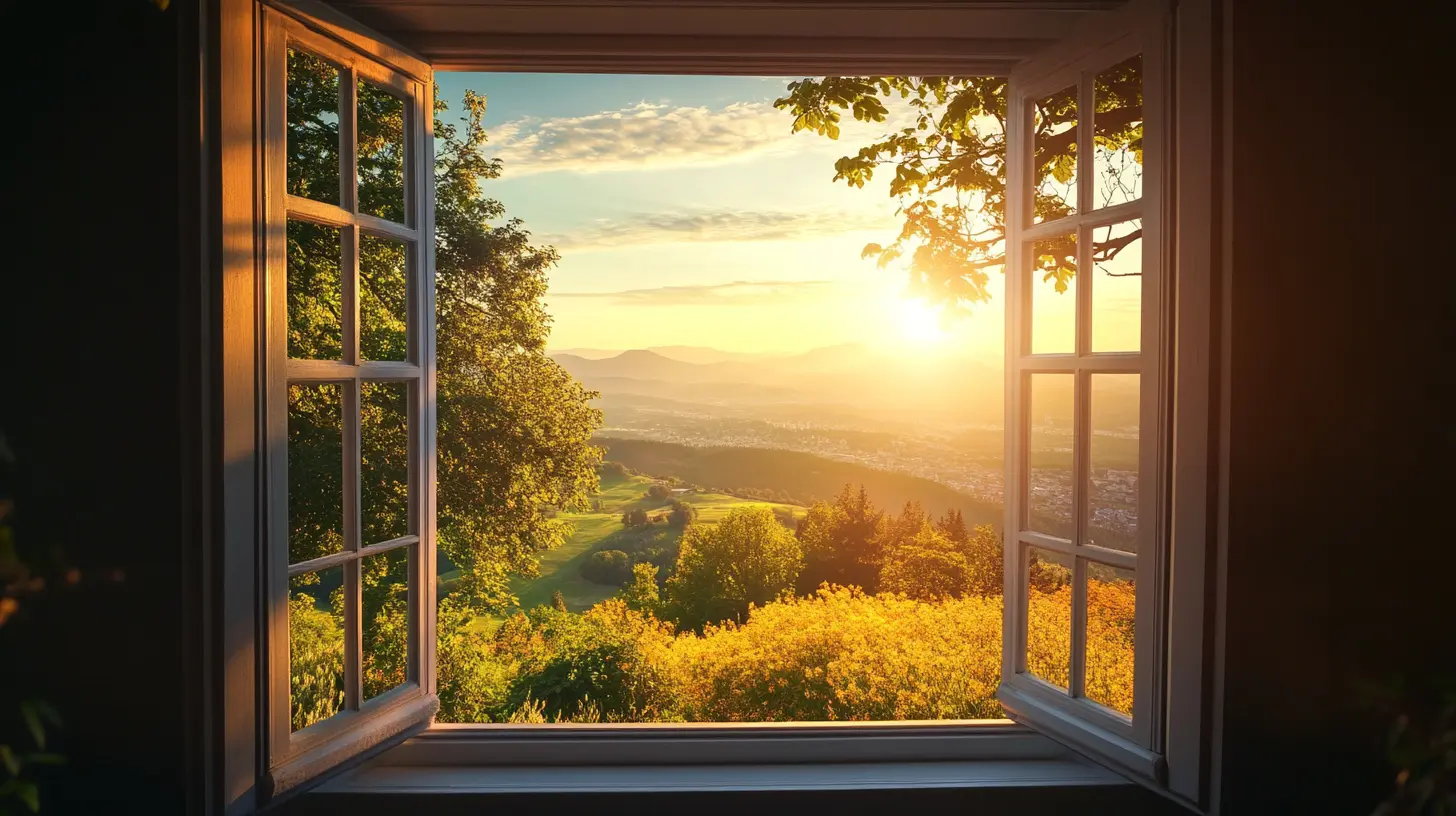
The picture windows market has great growth potentials for 2025, largely influenced by the trends in the broader economy and consumers. Most importantly, homes and commercial buildings are now demanding more for energy efficiency and natural light. This has driven manufacturers to innovate their designs and materials. Certainly, this paradigm shift is toward the sustainability movement and greener solutions in many industries today. Technology, which especially involves creating smart-home features in window designs, will also make the market earn more gains. This is a result of growing consumerism and conscience toward the environment; however, consumers tend to favor those types of sales and marketing efforts, especially for products that showcase visual appeal and optimum energy consumption. Companies that strike these evolving consumer needs across the evolving landscape of the competitive marketplace in 2025 will most likely capture more shares.
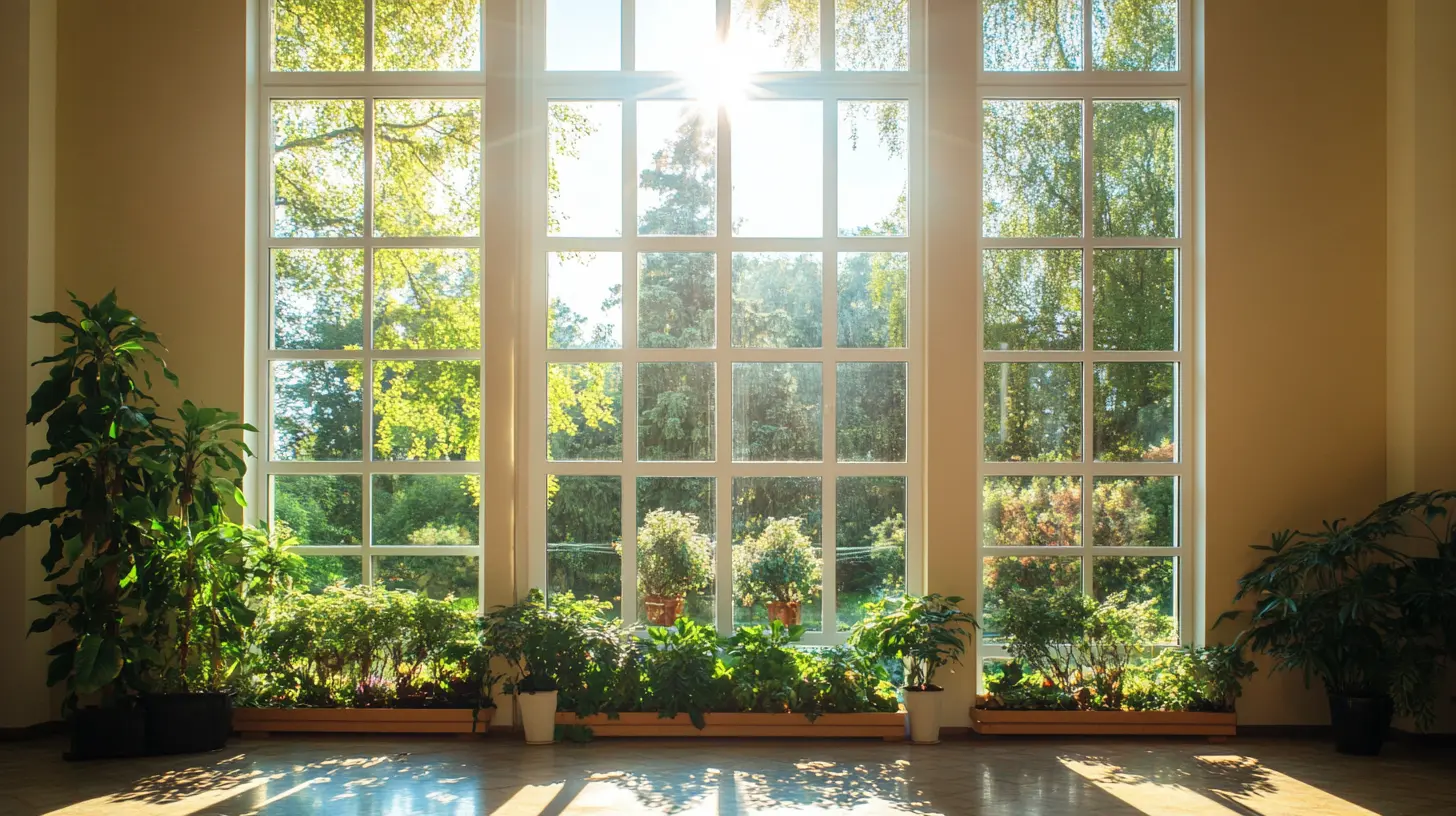
The demand for picture windows is sustained by several leading decision factors that favor customer choice and market trends. One noteworthy driver is the heightened awareness of smart home technologies, as suggested by some of the latest themes in major trade shows. One of these is the exhibition of high-tech cleaning robots with enhanced capabilities, which suggests that consumers are beginning to expect integration of technology in almost everything around their daily lives, including the design of windows.
Increased interest in energy efficiency and sustainable building practices also fuels the demand for picture windows. These large obstructions to view and light not only beautify the house but allow the penetration of natural light, thus minimizing the need for artificial light. With consumers now interested in energy-saving alternatives, future markets will most likely incline toward picture windows that provide excellent insulation and UV protection. Environmental awareness will provide room for manufacturers to innovate and cater to the conscious consumer in the year 2025 and beyond.
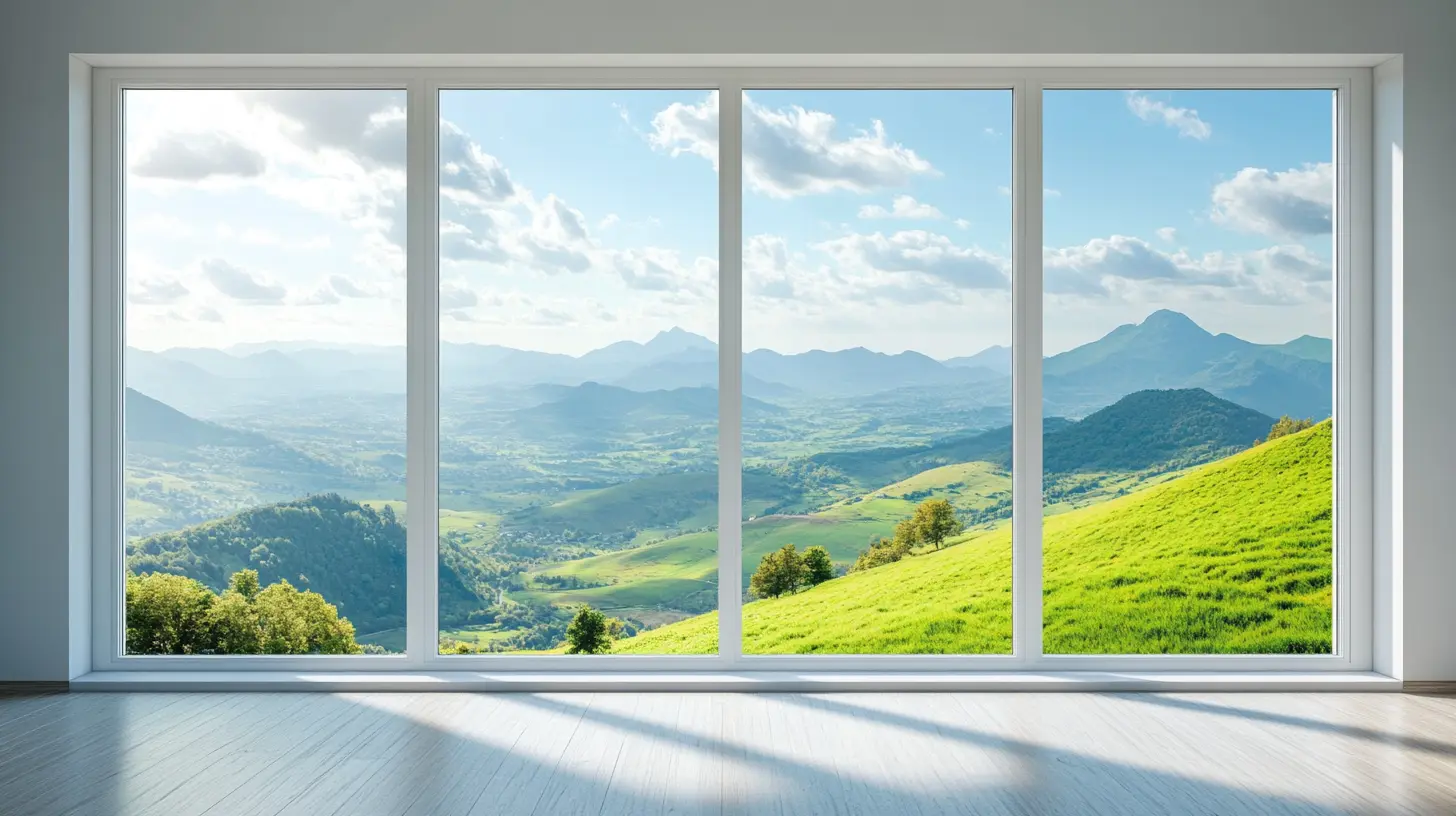
Changes in aestheticism and functionality can be seen to appear together in the latest designs of windows catering to customer selection in 2025. It is now becoming a trend among homeowners placing priority on natural light and views that picture windows are becoming more popular with great view and effect of light into the interiors. This trend is being enthusiastically taken up by the millennials and Gen Z that are more inclined towards modern design concepts, simple yet elegant, that blend with their surroundings.
Sustainability is also one of the most important considerations behind window selection. Consumer awareness about energy efficiency and environmental impact has grown significantly, which has already put pressure on manufacturers to create new innovations in materials and technology. Improvements in thermal performance and eco-friendly living properties include triple glazing and low-emissivity glass. Therefore, in meeting these preferences, the industry and companies involved will need to adapt themselves to the changing demands and standards of a more demanding consumer base.
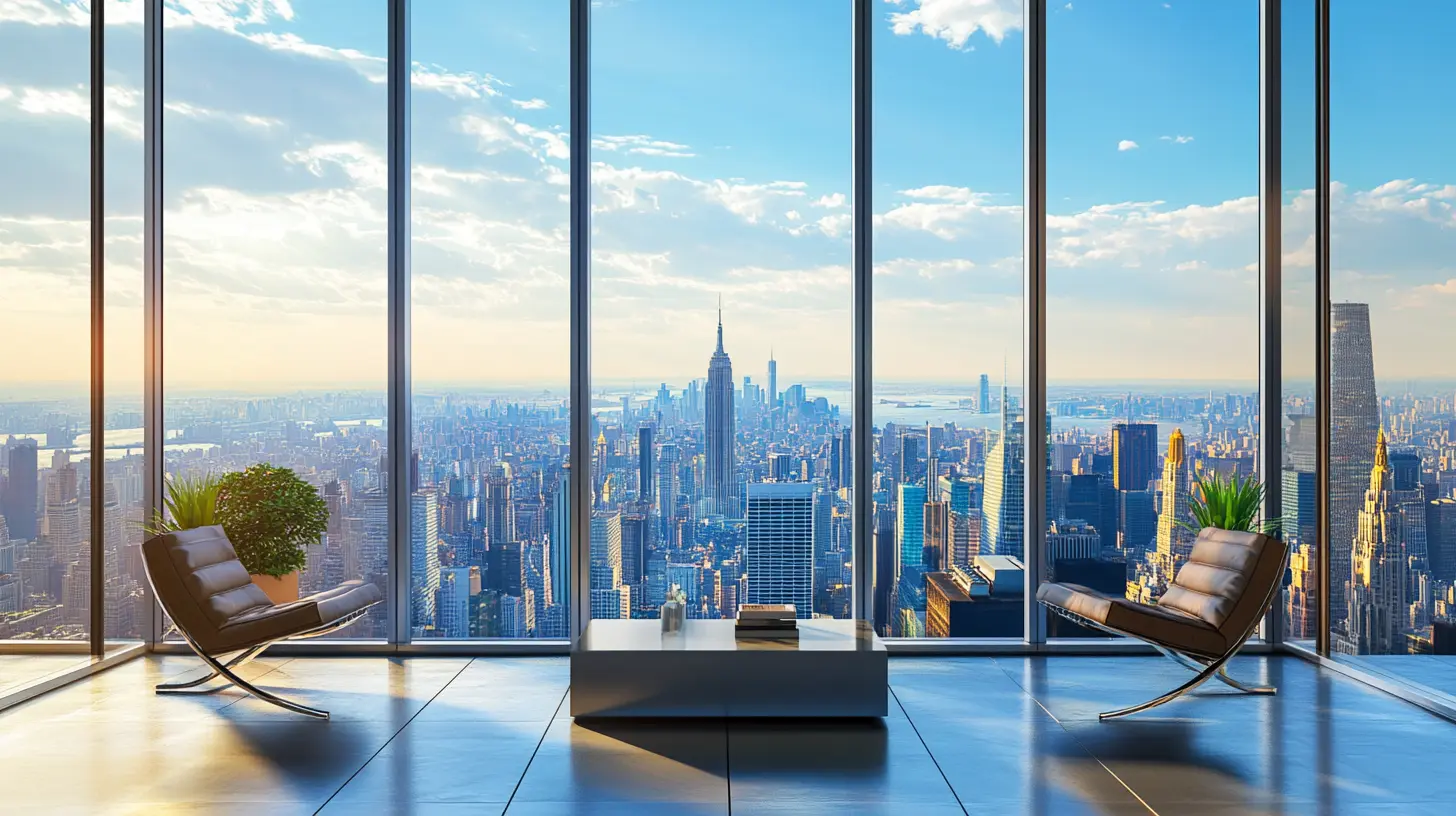
The impact on sales of picture windows is increasingly serious due to the worldwide push for energy efficiency legislation. By 2025, the consumer is assumed to buy window systems that are attractive but also save energy. Existing worldwide regulations reduce energy consumption in residential houses and commercial buildings, thereby rendering energy-efficient windows highly influential in a purchase decision.
In such a dynamic market environment, manufacturers have no option but to rethink their strategies with an energy-efficient focus regarding design and materials. Improvements to the marketability of picture windows can then be made by emphasizing their thermal performance and sustainability. Use of advanced technology including low-E coatings and insulating frames can provide more distinction for products and aid in meeting regulatory processes, paving the way for manufacturers to enjoy a competitive advantage come 2025.
THE FUTURE OUTLOOK OF THE PICTURE WINDOW MARKET After the year 2025, the regional dynamics of the picture window market will undergo considerable changes, especially in North America, Europe, and Asia. North America has always been at the lead with technology and innovation, and with the increasing energy-efficient demand in the wake of global sustainability tilt, the region is going to witness great commercialization activity. Government regulations would, in turn, encourage manufacturers to invest heavily in smart-window technology, improving their aesthetic appeal as well as energy performance.
In Europe, these two are adding to the pressure on the picture window market because of very stringent and environmental policies along with design demands. And here, consumers are moving to products that do not just give them function. In the same way, strong urbanization and economic growth in the Asia-Pacific region put it on the top emerging role in terms of demand for modern housing solutions. As without doubt, reaching out to countries around the globe increases the chances of Chinese companies' influence regarding future trends at the regional level which will require new market strategies, resulting in new channels for collaboration and innovation.
After a careful consideration and analysis of the picture window industry, one of the first and foremost milestones constituting highly important strategies for enhancing the market presence are being undertaken by these players as we move toward 2025. Energy efficiency and aesthetics are among the key factors considered for any window solution in demand today; hence product lines are rampantly being innovated. This shift is toward sustainable building materials and the incorporation of new technologies to appeal to the environmentally conscious consumer.
With the evolution of this market, partnership with technology firms has begun to weave into the very fabric of these operations." Companies are utilizing smart technology to enhance their windows with features like automated shading systems, adding energy efficiency while targeting a niche within the modern smart home concept. The differentiation can be created through responsiveness to market trends and consumer demand, where agility gets prominence.
Innovations in materials and technology on the verge of transforming the picture window line by 2025. As such, energy-efficient and tasteful designs have escalated to the top priority of manufacturers who are looking into innovative options to enhance both thermal performance and beauty. High-tech glazings such as low-E coatings and inert gas fills have proven to insulate effectively, thus making these picture windows appealing to any eco-aware buyer.
Furthermore, smart technology has changed how homeowners interact with their living environment. Automated shading systems, for example, paired with sensors that react to sunlight, will optimize energy consumption and comfort. As these innovations gain traction, picture windows will become more than just an attractive architectural element and will become increasingly significant in the area of sustainable living, showing that concern for form, and concern for function, in modern design go hand in hand.
With the world increasingly calling for sustainability, it has made the expectations of green picture windows mandatory. The whole world starts to realize the environment creating more concern from consumers and manufacturers toward paltry effects of practices on their carbon footprints. Innovative material innovations such as recycled glass and sustainable wood frames have further enhanced environmentalism in ways of a building for the avowed climate-friendly consumer.
In connecting what is of the present: that renewal of energy-efficient house designs during recovery from the impacts of the pandemic, post the real estate investments, picture windows, which can comprise a phenomenal view and lavishly received natural light, now can be outfitted in energy-efficient innovations ranging from low-E coatings to insulated frames. It not only improves energy efficiency but also creates a healthier living environment. As demand increases for houses sustained by nature, manufacturers will need to develop plans that conform to this inclination among consumers for greener alternatives.
Forward into 2025, window picture manufacturers will have to work towards matching the new consumer needs and changing market dynamics, in marketing. This benefit will only be upped from the growing global trade and increased consumer spending as it paves a unique opportunity for manufacturers to self-position in the market using digital marketing strategies, including targeted social media campaigns and SEO optimization in improving brand visibility and wide reach.
Keeping the pace of new technological advancements is then on their list. Introducing modern designs with the best energy-saving solutions would make any manufacturer stand out from his competition. As the consumer now gives all the importance to sustainability, therefore, the marketing would really hit along the budgets and production processes as eco-friendly. Imagining marketing strategies in line with these would mean good growth and success for picture window manufacturers in the future market.
The global picture window market looks promising for growth in the year 2025; therefore, it is important to analyze the challenges and opportunities arising in the market. From the changing dynamics of international trade, a major change has been observed, where China increases export volume while Europe sees an increase in imports. This change is sometimes seen as detrimental due to its ability to cause fluctuations in demand and competition, but it is also an opportunity to gradually diversify product offerings.
Also, technology as well as changing consumer choices and behaviors will influence the picture window manufacturer sector. Therefore, companies will have to consider these new eco-trends and green materials as part of the overall sustainability game. Awareness of these sudden turns in the market and investing in strategic evolvement can allow companies to reap the benefits of growth opportunities while reducing any impending risks.
Consumers are increasingly favoring functionality combined with aesthetic appeal, with a particular emphasis on natural light and open spaces, especially among millennials and Gen Z who prefer modern, minimalist designs.
Sustainability is a crucial factor for consumers, with a growing focus on energy efficiency and the environmental impact of window products, leading to innovations in materials and technology.
Manufacturers are utilizing features like triple glazing and low-emissivity glass to improve thermal performance and cater to eco-conscious consumers.
North America leads with technology and innovation focused on sustainability, Europe prioritizes design and environmental policies, while Asia-Pacific is experiencing growth due to urbanization and economic expansion.
Innovations such as advanced glazing technologies, smart technology integration (like automated shading systems), and improved insulation techniques are anticipated to enhance both performance and design.
Smart technology allows for features like automated shading and sunlight-responsive sensors, optimizing energy use and comfort within the home.
Their preference for modern, minimalist designs that integrate well with their living environments encourages manufacturers to create more aesthetically pleasing yet functional window options.
Government regulations that promote sustainable building practices encourage manufacturers to invest in energy-efficient solutions and smart window technologies.
Picture windows are favored for their ability to provide expansive views and enhance the brightness of interiors, aligning with contemporary demands for open and light-filled spaces.
Companies must adapt to the emerging market trends driven by consumer preferences for sustainability and innovation, which present both challenges in keeping up with technological advancements and opportunities for collaboration.