Foshan Huangya Aluminum Technology Co., Ltd.

 Sliding Door
 Casement Window
 Sliding Window
 System Window
 Tilt and Turn Window
 Sun Room
 Leave Your Message




The landscapes of architectural design and construction by the time we reach 2026 might start to see a barrage of changes, especially in the area of windows and doors. The evolution of that sliding window seems poised to take the spotlight. With ever-advanced technology and a more conscious thought towards sustainability, the future would offer sliding windows to enhance aesthetic appeal as well as energy efficiency and user-friendliness. Material Innovations and design inventions will mark a new chapter in our relationship with these entities as necessary attributes in our day-to-day living and working spaces.
At Foshan Huangya Aluminum Technology Co., Ltd., we are determined to spearhead this evolution. Based in Nanhai, Foshan, Guangdong, our company is among one-stop solution service providers integrating design, manufacturing, sales, installation, and after-sales service. We take pride in being sliding window technologists, producers of not only functionality but stylish designs to bond with implicative sustainable practices. We invite you to explore sliding windows and the innovative alternatives of the future that will define our built ambience.
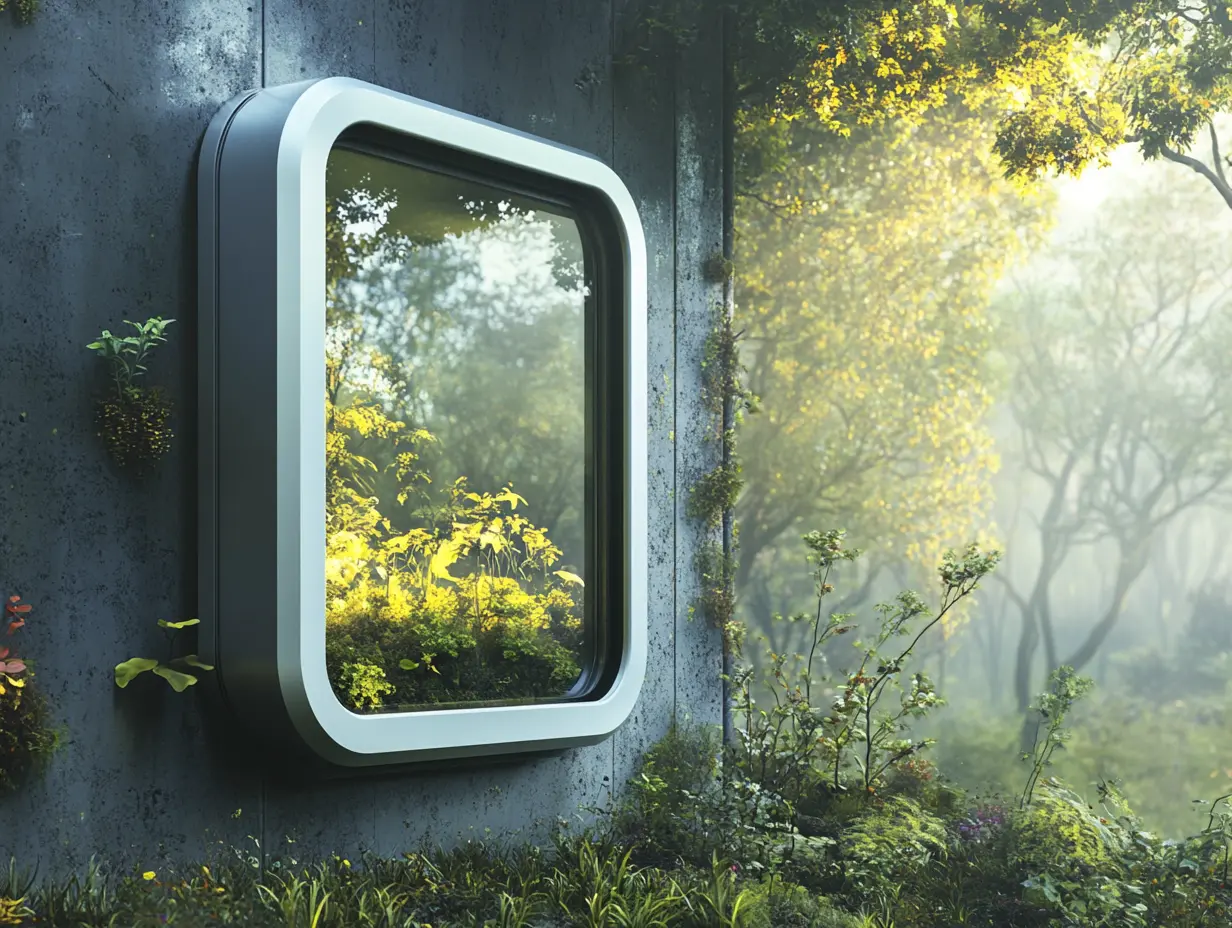
The evolution of sliding windows has indeed been a fascinating journey, a journey marked by continuous innovation and adaptation to shifting consumer needs. Traditionally, sliding windows provided a useful solution in maximizing natural light and ventilation; however, there has been an emerging trend toward designs that are more sustainable and aesthetically pleasing. With sustainability being an important goal in the construction industry, the use of all-black window frames highlights the growing need for contemporary aesthetics that also prioritize energy efficiency. The trade fairs, such as BAU 2025, emphasize the ever-changing trends and innovations that interconnect functionality with environmental concern. The new introduction of minimalist multi-slide doors is redefining the way living space in that it merges the barriers from the inside to the outside. The push toward eco-friendliness and creative design coexists with the demands of the modern-day homeowner, thus setting the future for the sliding window industry in 2026 and beyond.
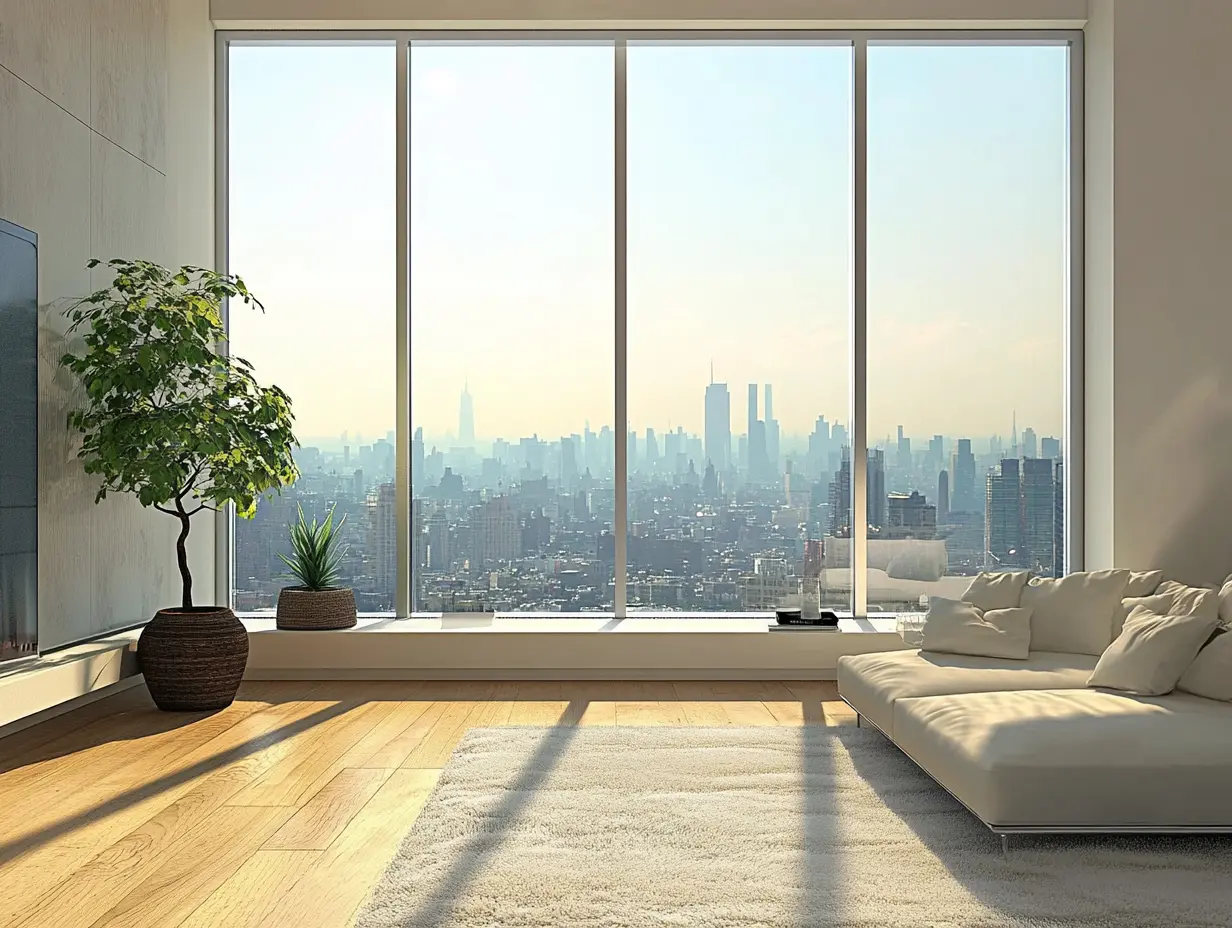
As 2026 approaches, the innovation focus of sliding window technology is sharpening with increasing demands regarding sustainability and performance. The recently tailored advancements reflect a shift to merging excellent materials and technology and improving both aesthetic and functional efficacy. For example, new composite materials featuring the combination of wood fibers and synthetic polymers are setting durability standards while becoming eco-friendly.
Moreover, the industry captains are searching for integrated hardware solutions dealing with security-technology-sustainability. This totality deals not only with changing needs of consumers but equally with regulations that are acting as a thumb for minimizing the environmental footprint. The sophisticated multi-slide door systems are a trend setting example that provides for a further enlargement of the glass and an elegant integration of indoor and outdoor, finally redefining the modern-day experience.
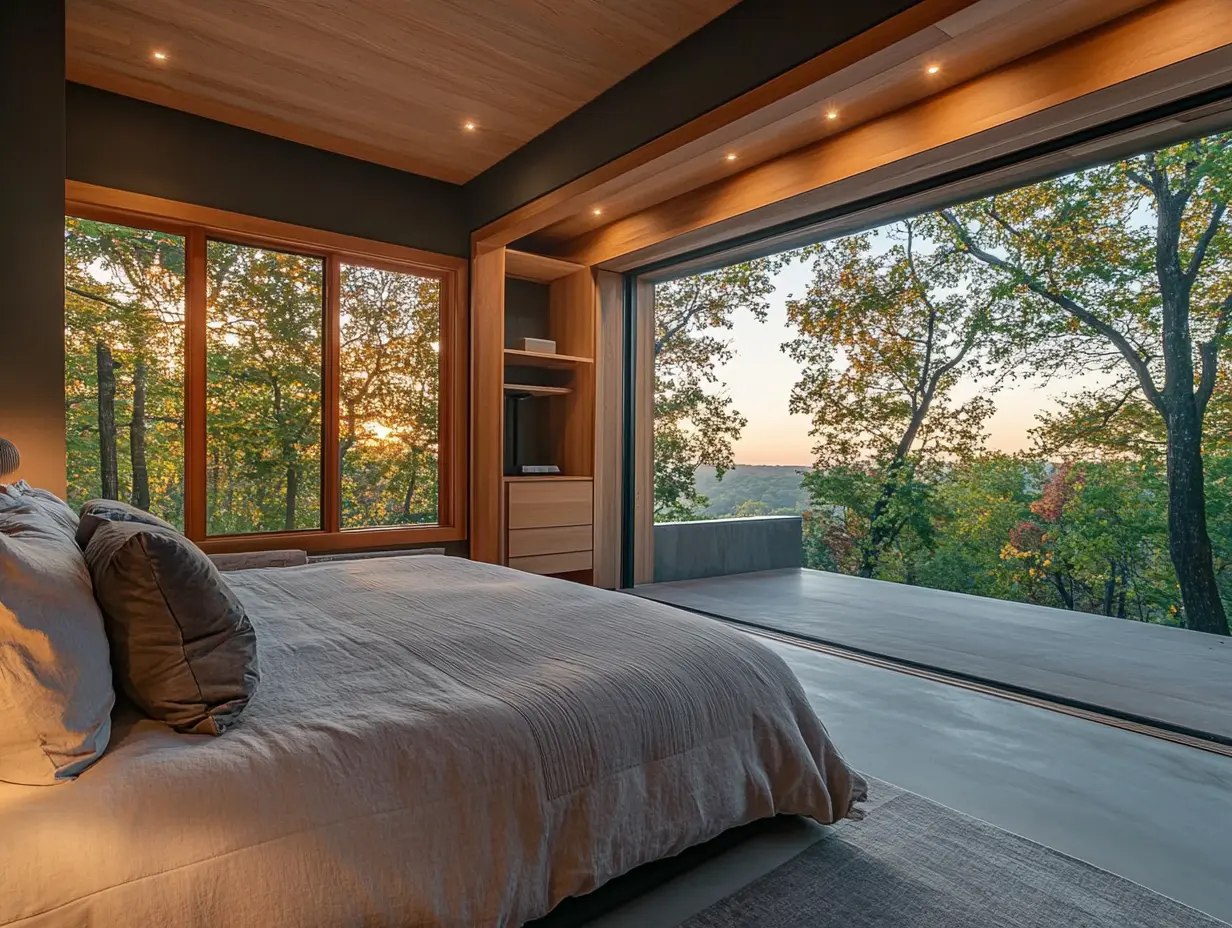
It is anticipated that by the year 2026, sliding window designs will be significantly transformed into sustainable ways. Award-winning windows and doors increasingly trend towards eco-friendly materials ideal for both aesthetics and energy efficiency. More and more brands are beginning to opt for recycled and sustainable materials that cause less environmental impact and offer consumers stylish yet practically usable products.
Besides that, there will be new innovations emerging because manufacturers are learning to come up with products that have beauty and also very tough built. With technologies improving, sliding windows are to be fitted with better insulation and security features, assuring homeowners of maximum performance. This commitment to sustainability is also a broader industry commitment towards making the whole business environmentally responsible for the future of home design.

Energy efficiency in sliding windows is becoming increasingly important as we look toward the year 2026. Insulation technology is witnessing innovation to develop sliding windows for advanced thermal performance and sustainable design. Improving insulation remains crucial to the reduction of energy consumption in homes, which translates to lesser utility bills and reduced carbon footprints.
Exhibitions held recently testify to industry commitment toward these advancements. The new products showcased are being designed in novel materials that conserve energy. These innovations are not just a question of beauty; they constitute adaptations to modern living conditions like the pressing need for energy conservation. The trend, evident across platforms, shows an increasing commitment to developing sustainable products to satisfy consumer demand for fashion mingled with purpose.
Sliding windows with smart-tech integration are going to change the way we interact with our spaces by the year 2026. Innovative automated sliding systems are emerging that allow the user to open and close windows with a simple touch or voice command. This seamless interaction brings convenience to the table and goes further to promote energy efficiency, thus making our homes sustainable.
Industry events of late have seen several companies introduce breakthrough products that emphasize the smart technology application in window design. From minimalist multi-slide doors to advanced hardware solutions, the focus is moving toward adaptive systems with an emphasis on quality and security. Moving forward, we will witness the role of automation and sustainability in continuing to shape an eco-friendly built context, thus heralding a greener future into the architecture and design spheres.
In 2026, the sliding window industry has a brighter future in offering super styles for enhanced functionality and design. In a current event, the trend emphasizes minimalist styles to easily blend with contemporary architecture. This sleek line trend emphasizes large openings that can be transitioned smoothly between indoors and outdoors. Manufacturers are working on innovating glass technology that prioritizes natural light and views from the expanses but still remains energy efficient.
The new materials included further finish upgrades in the aesthetic differences of the sliding windows. Companies need to design more custom options that cater to consumer needs according to his or her taste and style of living since consumers are now getting fickle these days, wanting more personalized and individualized designs. With increasing eco-friendly awareness, eco-friendliness is promising a future driven by window beauty combined with design to forge new avenues towards securing and sustaining life in 2026; indeed, these innovations herald the new era of sliding windows in which aesthetics take a back seat under the greater emphasis that has been framed on nature and energy efficiency.
Moving closer to the year 2026, changes in regulations will have a crucial impact on the sliding window manufacturing industry. Manufacturers are forced into innovation and adapting to new demands due to a heightened concern for sustainability and energy efficiency. Sliding windows that are aesthetically pleasing and environmentally friendly are already in the making, as stricter requirements should justify the final development of how sliding windows are produced.
In addition to this, the doors-and-windows market is thought to be one of the fastest-growing businesses, which basically stimulates manufacturers to invest in innovative designs and functionalities. Along these lines of development governed by regulations, it is leading the changing state of the market for better-designed sliding window systems. This is now an opportunity for manufacturers to develop and adapt their products to meet emerging standards while satisfying the ends of customers and fostering a greener future.
Expecting to maintain preference in sliding windows and sliding doors for the next four years, homeowners show a trend towards sustainability and innovation. Informed by increasing knowledge about environmental issues, this would eventually lead many people to look for eco-friendly options that optimize energy consumption yet beautify an interior or an exterior. The latest minimalist design patterns indicate a demand of modern style in which openness caps indoor and outdoor spaces.
Further innovations in glass technology and hardware make it a market that's emerging as a result of the desire for sleek and minimalist designs with functionality. Certainly, more and more homeowners will find products they seek to meet their requirements not only in their function but also in their comfort. The company's competitiveness in the fenestration scene would be measured by how well it develops products that respond to such demands in consumer trends-durability, energy efficiency, and contemporary aesthetics.
Projected to be at about $27.71 billion by the year 2030, the sliding window market continues its growth towards a bright future wherein security and durability concerns must not be neglected any longer. Innovative sliding window designs enhance the aesthetic value of buildings while incorporating new advanced components for safety. Given that there are some brands that introduced models in which beauty meets function, the focus is on manufacturing these exquisite, yet extremely functional, products considering the elements and the homeowner's peace of mind.
By the year 2026, we see a move away from all such things being manufactured in light of consumer calls for eco-friendly material use to be more sustainable. The latest designs now aim toward energy efficiency to further lower the carbon footprint while giving the performance a boost. This joining of toughened and green practices will change the mark that sets sliding windows up and evolve them into the next wave of modern architecture and sustainable living in homes.
Looking a few years ahead into 2026, it seems that sliding windows are on a very innovative and trend-savvy horizon. The companies are now increasingly engaged in eco-friendly materials and technologies through the entire design process so that sliding windows not only look good but also affect the energy efficiency of homes and buildings. Smarter structures and functional possibilities are redefining the market.
Thus, smart home technologies are transforming the opening and closing of sliding windows, equipping homeowners with features like operations that can be automated, which would enhance convenience and security. The future path of sliding window solutions will remain oriented toward innovation and sustainability as the market continues to grow. This is due mainly to growing demand for style and sustainability in living solutions.
The main design trends for sliding windows include a focus on sustainability, the use of eco-friendly materials, and modern aesthetics such as all-black window frames, as well as innovations that enhance energy efficiency and functionality.
Sliding windows are adapting by integrating minimalist designs, improved insulation, better security features, and eco-friendly practices that respond to contemporary homeowner demands for style and sustainability.
Trade fairs, like BAU 2025, showcase the latest innovations in sliding windows, highlighting trends that combine functionality with environmental responsibility and helping to set industry standards for future designs.
Manufacturers are increasingly using recycled and sustainable materials to create sliding windows that are both aesthetically appealing and energy-efficient, reflecting a commitment to reducing environmental impact.
Technological advancements in sliding windows include smart home technologies that allow for automated opening and closing, improved insulation for better energy performance, and enhanced security features.
Homeowners can expect sliding windows to enhance their living spaces through innovative designs, eco-friendly materials, and functionalities that prioritize convenience, security, and energy efficiency.
The window and door industry is recognizing innovation through awards that highlight products designed with eco-friendly materials and advanced technology, showcasing a commitment to both beauty and environmental responsibility.
Minimalist multi-slide doors offer seamless integration between indoor and outdoor environments, enhancing the aesthetic appeal of homes while maximizing natural light and ventilation.
Energy efficiency is becoming more important in window design as homeowners and the industry prioritize eco-friendly practices and seek to reduce energy consumption and costs associated with heating and cooling.
The push towards a greener future in home design signifies a broader industry commitment to environmentally responsible practices, ensuring that products not only meet aesthetic desires but also contribute to sustainable living solutions.