Foshan Huangya Aluminum Technology Co., Ltd.

 Sliding Door
 Casement Window
 Sliding Window
 System Window
 Tilt and Turn Window
 Sun Room
 Leave Your Message




Double glass door market across the globe, has witnessed rapid growth in recent years on account of increasing consumer demand for energy-efficient solutions and beauty for homes and businesses alike. A report presented by a leading market research agency projects that the global double glazing market may touch the figure of USD 21 billion in 2025, unveiling the concept of a compound annual growth rate of (CAGR) 7.5%. Growth is ascribed to growing awareness of energy conservation and a fancy for modern architecture, which incorporates natural light together with thermal insulation.
Today, Foshan Huangya Aluminum Technology Co., Ltd. leads in this evolving industry, offering almost every form of service related to Double Glass Doors from designing, manufacturing, sales, installation, and after-sales. Committed to quality and innovativeness, the company seeks to capitalize on new trends in the marketplace and increasingly sophisticated consumer preferences. Potential buyers may find it useful to understand the seven key procurement strategies highlighted in this blog, in navigating the complexities of the Double Glass Door market and, thus, enable informed purchasing decisions in alignment with their project goals.
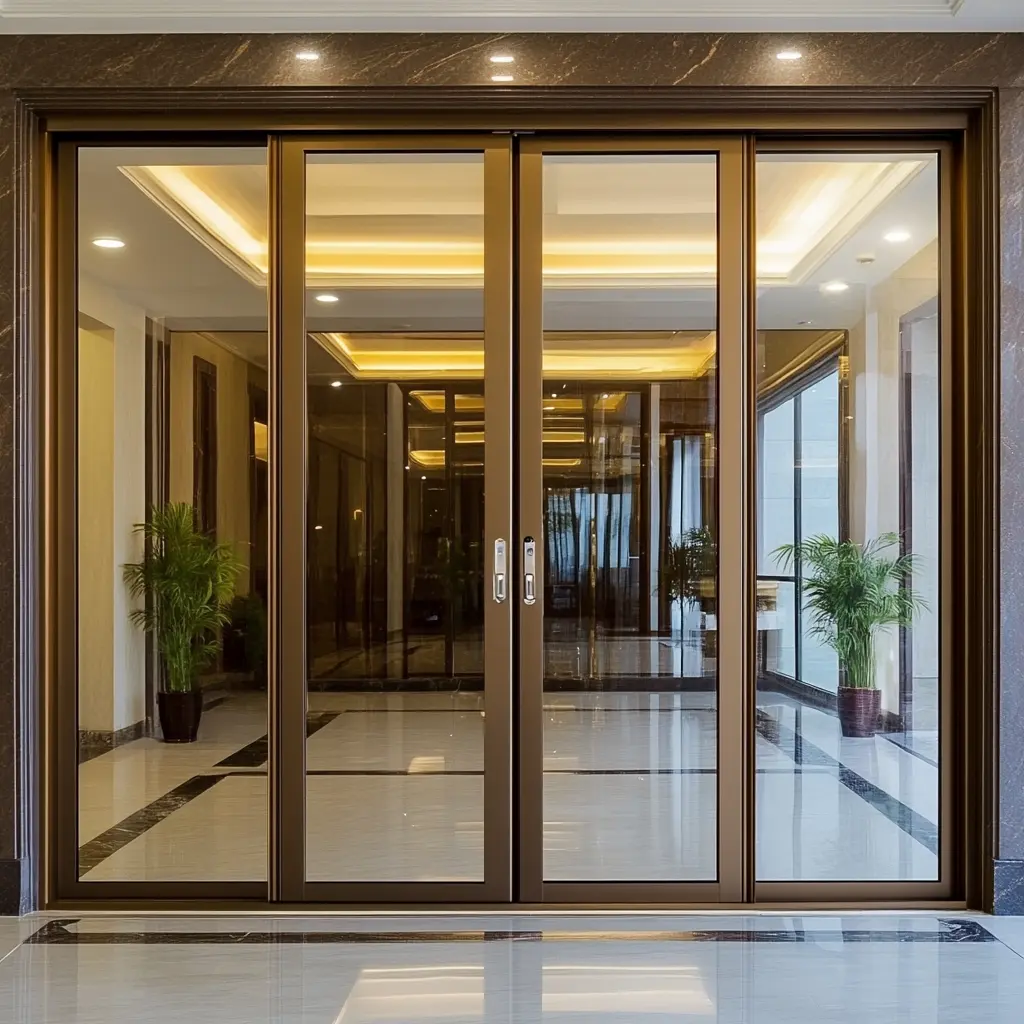
With 2025 knocking right around the double glass door industry's door, it becomes apparent that the key market trends will throbbing like these. Firstly, transformed from the requirement on energy-saving, increase-sustainability building practices. This will affect demand for double glass doors. Insulation and reduced energy consumption as needs of businesses and homeowners alike have been pushing innovation in glass technology and production methods. It also denotes a larger movement by society toward environmentally conscious consumption-the green-purchasing phenomenon. Automation is also a major driver behind procurement strategies in the double glass door market today. Corporates nowadays house some of the best supply chain management software with an aim of streamlining operations, giving a better focus on core business functions. With this level of automation, one can enjoy efficient inventory management, reduced lead times, and hence improved customer service. There are new opportunities emerging for double-glass-door companies with the introduction of AI applications into procurement processes. An increasing number of institutions rely on AI-based platforms to optimize their procurement decisions, develop their supplier policy, and realize their competitive advantage. Such technologies are not only adding to an increasingly intelligent procurement process but are also setting tighter standards for the future course of industry development as we come down to 2025. In this very dynamic environment, therefore, all stakeholders in the double glass door industry will have to take notice of these emerging trends and "stay ahead" using innovative ways of doing business.
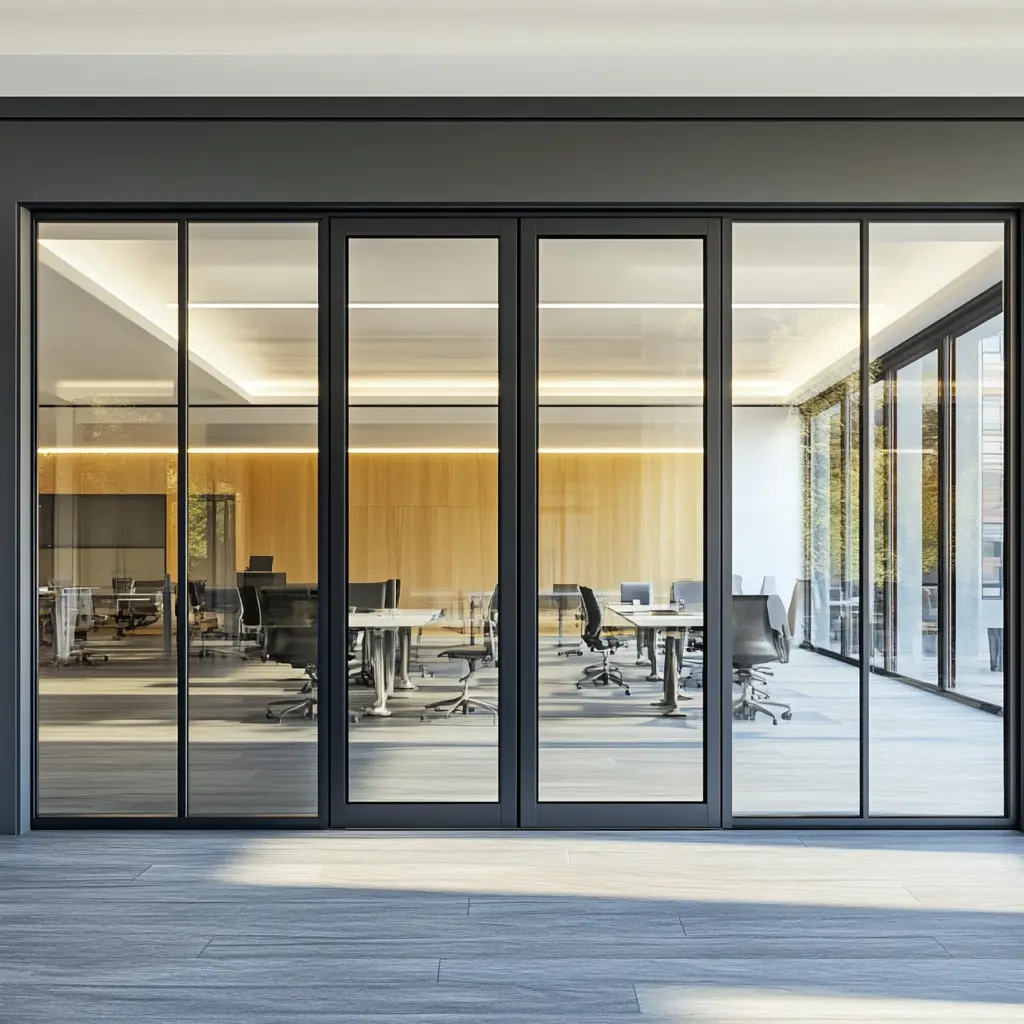
The projected significant upward growth rates in the double glass door market would be driven by the increasing demand in residential and commercial applications. As businesses focus on energy efficiency and aesthetics, it is anticipated that the use of double glass doors would increase. As indicated by industry analyses, double glass door markets will reap a compound annual growth rate (CARG) of nearly 8.4 percent from 2023 to 2025. This trajectory shift not only reflects the relevance of this product but also its impact on acquisition strategy.
Indeed, for an organization to gain maximum benefit from the respected growth, the strategic procurement becomes more important. The latest recommendations from procurement associations reflect an emphasis on the need for standardizing procurement processes to cope with the current dynamics of market environments. For example, supplier selection is now geared increasingly toward those with demonstrated compliance in cybersecurity, which is symptomatic of the wider trend where procurement strategies must include supply-chain security-for it is against the backdrop of even changing federal policies that this is applied.
Finally, leveraging technology in the procurement process is increasingly necessary. Implementation of AI-enabled solutions streamlines the sourcing of double glass doors-now increasingly necessary for procurement teams to have smart tools that enhance such efficiencies. As organizations strive to catch up with this increasingly intense competition, being abreast of market growth nuances and having innovative procurement strategies together will be the keys to success in this segment.
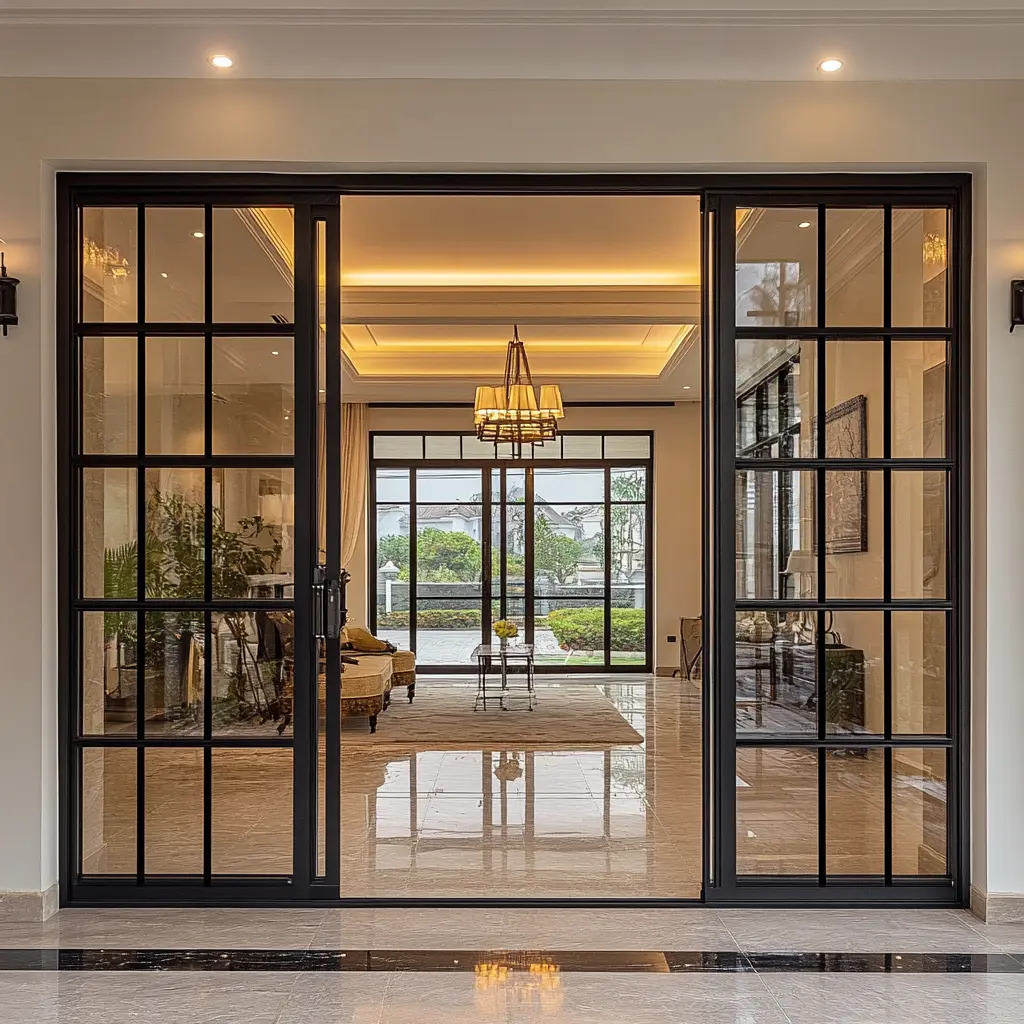
Emerging technologies are redefining the double glass doors manufacturing process into innovative styles of improvement in energy efficiency. Smart glass technology is on top of this transformation that allows windows and doors to change transparency when needed according to environmental conditions. Thus, not only is it beautifying the outside view and having good insulation for energy savings, but also it matches the sprout of sustainability, which becomes mostly a consideration in corporate procurement.
Automation and some advanced manufacturing techniques such as 3D printing have now empowered efficient production of double glass doors by their makers. They improve production methods by making them simple and less wasteful while allowing a fair share of customization for those businesses with particular design wants. Thus, a company can take advantage of efficiencies provided by these technologies to increase market competitiveness in the emerging trillion-dollar enterprise procurement market where customers purchase decisions are massively influenced by efficiency and sustainability.
Digital transformation in enterprise procurement makes it less and less possible that a business will ignore such new technological advancements. The e-marketplaces, pioneered by Alibaba and JD.com, both challenge and offer opportunities to traditional procurement methods. Incorporating such emerging technologies into the manufacturing process of double glass doors and adapting to market changes can give companies superior products and a better procurement strategy: rapid response and sustainability addressing current supply chain pain points.
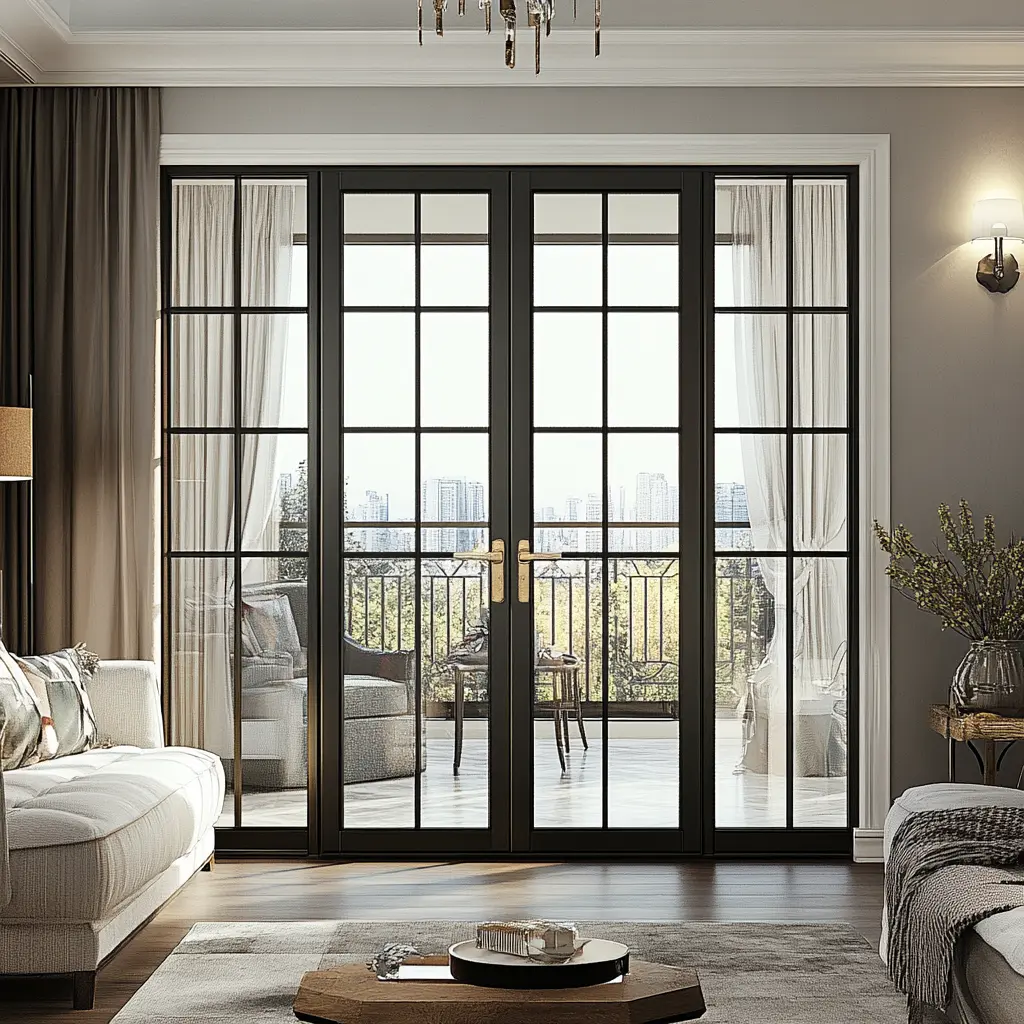
The growth of double glass door market is driven increasingly by innovation in materials for building its changing aspects like sustainability. As stated in a contemporary-market report published by Grand View Research, the global scenario for energy-efficient door markets is expected to grow at a 7.5 percent compound annual growth rate (CAGR) during the forecast period 2023-2030. This illustrates the growing demand from consumers for products that beautify and make an impact environmentally.
Manufacturers are now concentrating on recyclable materials and emission-saving production methods for products such as double glass doors, with strong definitions of environmental sustainability. For example, many have adopted double glazing technology to improve heat transfer and reduce costs. Research by the U.S. Department of Energy has indicated improvements in insulating glass units can result in about 30% energy savings in buildings. Thus, it is not just a strategy of being the green; this innovation contributes to product performance across its whole life cycle.
Moreover, consumers are increasingly becoming aware of the environmental effects of their purchases. According to a survey conducted by Nielsen, 73% of global consumers are willing to alter their consumption behavior for environmental impact purposes, and 81% believe companies should assist in improving the environment. Hence, any brands desirous of remaining competitive must, therefore, consider how to include more elements of sustainability into their double-glass doors rather than treating it as a passing fad. This will dictate which materials are going to be or not sustainable, yet appealing from all angles, that would likely create the market leaders in the coming years.
In the era of changing consumer requirements, the market for double-glass doors will be influenced by consumer tastes, and it has become a driving factor for trends shaping it. In the coming years toward 2025, consumers will exhibit a shift toward preference for energy efficiency and aesthetic appeal. Customers seek the functional aspects of insulation and durability but also look at the overall design and how they can be blended with contemporary architecture in addition to being functional. Thus, this growing interest in aesthetics is more in line with the general market trends that demand the manufacturer's supply for both functional and visual needs.
In fact, sustainability is currently one of the most influential determinants of the double glass door purchase decision among consumers. Environmental issues are currently receiving more attention, and people find themselves drawn to environmentally friendly products. This would include doors that are produced using sustainable materials and processes. This means vendors need to be creative in the reduction of environmental footprints while maintaining quality that would otherwise please today's eco-friendly consumers. In any case, adaptation to these changing preferences would be the defining ingredient for booming business ventures in the stiff competitive environment set to exist before 2025.
With regard to double-glass door purchasing considerations, several key cost factors come into play that affect the initial cost and long-term costs. Present-day market considerations indicate that sustainability and eco-friendly materials are in vogue, hence giving more weight to the increasing acceptance of glass products. The U.S. glass freezing market is anticipated to experience a revenue share of $3.4 billion in 2023 owing to the demand across several sectors. Therefore, glass is a lucrative product to invest in.
Furthermore, the GFRG market, due to the novel building technologies and shifting consumer preferences, is undergoing some major transformations. Current projections indicate that GFRG will be a key player in sustainable construction practices as the demand for environmentally friendly materials increases. This connects with the larger industry trend of sustainability being pivotal in material decisions.
The auto glass market, meanwhile, displays one of the highest player concentrations with a promising growth trajectory, the CAGR being pegged at 6.12%, estimated up to 2033. This relates to strong demand for glass products, which also explains the cost factors linked to quality and innovation. Buyers of double-glass doors should take into account these trends, ensuring that their purchase patterns cohere with the dynamic market changes and sustainability objectives.
The market of double glass doors will experience a significant rise in the some coming years and will grow at a CAGR of 6.3% during the estimated period of 2023-2028, according to a recent industry report. In addition, it has become very important for companies to establish effective procurement strategies for maximizing returns on investments as CRISIL, within which operational conditions enhance aesthetics and efficiency. Here are the Seven top tips to consider.
First, learning all about the feasible capabilities of suppliers would be judicious. When suppliers have been engaged, they would be convinced with the indicators of quality and innovation; lessening would be better products within a scope and will result in long-term partnerships with them. Studies found that companies which foster a close supplier relationship enjoy lower costs-they are 12% lower compared to that of the transactional approaches.
Another way to improve decision-making processes is through data analytics. It can also forecast demand more accurately by analyzing market trends with consumer preferences. Thus, it optimizes inventory levels, managing excess stock due to overstock inventory. Analytics can increase procurement efficiency by as much as 20%, which now benefits ROI.
Further, it is advisable to consider the total cost of ownership, or TCO, while an organization is evaluating suppliers. Beyond only the cost of purchase, total costs would also encompass maintenance costs, energy efficiency, and replacement costs as they provide a clear idea of the effects in terms of profit based on the time horizon. Such considerations can slice budgets by as much as 30% over the life cycle of that investment, as pointed out in the reports.
By applying these measures, the double glass door market is matured enough for returns maximization.
The competitive environment for double glass doors is going to be dynamic between the years 2025, as major players are responding to the development of consumer needs and market changes. Major manufacturers are going to push their product lines by evolutionizing products through high-tech features and sustainable materials, meeting environmental standards while also responding to the demand for green products. In other words, having a focus on eco-friendliness would give the brands the ultimate platform to gain from such an opportunity to strengthen their market position based on the themes of innovation and sustainability.
Looking at the competitive landscape, there are a series of leaders in the industry. Some companies with brand strength are likely to weaponize it featuring world-first innovations such as smart glass control technologies for heat and light to enhance user comfort. Manufacturers also will have to work with architects and builders to synchronize product specifications with project-specific requirements to develop more sales opportunities. In entering the market, newcomers must understand their competitors' strengths and weaknesses.
Market placement will be determined to a larger extent by geographical influences, with regional tastes and weather conditions actually dictating the types of double glass doors consumers want. For example, companies in colder areas will be looking more to doors with superior insulation, while companies in warmer climates will look into embellishments and ventilation features. It, therefore, follows that competitive savvy and ability to respond to the appendages associated with competitive forces will, in 2025, become a major determinant of the fortunes of key industry players in the double glass door segment.
The key trends include a focus on energy efficiency and sustainable building practices, automation in supply chain operations, and the integration of artificial intelligence in procurement processes.
There is a growing recognition among businesses and homeowners of the importance of insulation and reduced energy consumption, which is driving innovation in glass technology and production methods.
Automation in supply chain operations is helping companies streamline their processes, enhance inventory management, reduce lead times, and improve customer service.
AI-driven platforms are being adopted to optimize purchasing decisions, enhance supplier relationships, and provide a competitive advantage.
Manufacturers are increasingly using recyclable materials and low-emission manufacturing processes, focusing on double glazing techniques that improve thermal efficiency.
The market is projected to grow at a compound annual growth rate (CAGR) of 7.5% from 2023 to 2030.
A survey found that 73% of global consumers are willing to change their consumption habits to reduce environmental impact, showing increased awareness and concern for sustainability.
81% of consumers believe that companies should help improve the environment, indicating that sustainable practices are a necessity for competitiveness.
Incorporating sustainable materials can help manufacturers meet environmental regulations and improve the overall life cycle performance of their products.
Due to the growing consumer demand and awareness of environmental impacts, sustainability is now seen as essential for brands to remain competitive in the market.