Top 10 Tips for Choosing the Best Aluminum Sliding Door for Your Home
When it comes to enhancing the aesthetics and functionality of your home, choosing the right type of door can make a significant impact. Among the various options available, an Aluminum Sliding Door stands out as a popular choice for many homeowners due to its sleek design, durability, and energy efficiency. These doors not only serve as a beautiful entryway to your outdoor space but also provide excellent insulation, ensuring that your home remains comfortable year-round.
However, selecting the best Aluminum Sliding Door for your specific needs can be a daunting task given the myriad of choices on the market. From different styles and colors to features like security measures and ease of operation, there are numerous factors to consider. This guide aims to equip you with the top 10 tips for making an informed decision when choosing an Aluminum Sliding Door, ensuring that you select a product that complements your home's design while meeting your functional requirements. By following these tips, you can navigate through the options available and find the perfect Aluminum Sliding Door that beautifully connects your indoor and outdoor spaces.
Understanding Your Space: Measuring for a Perfect Fit
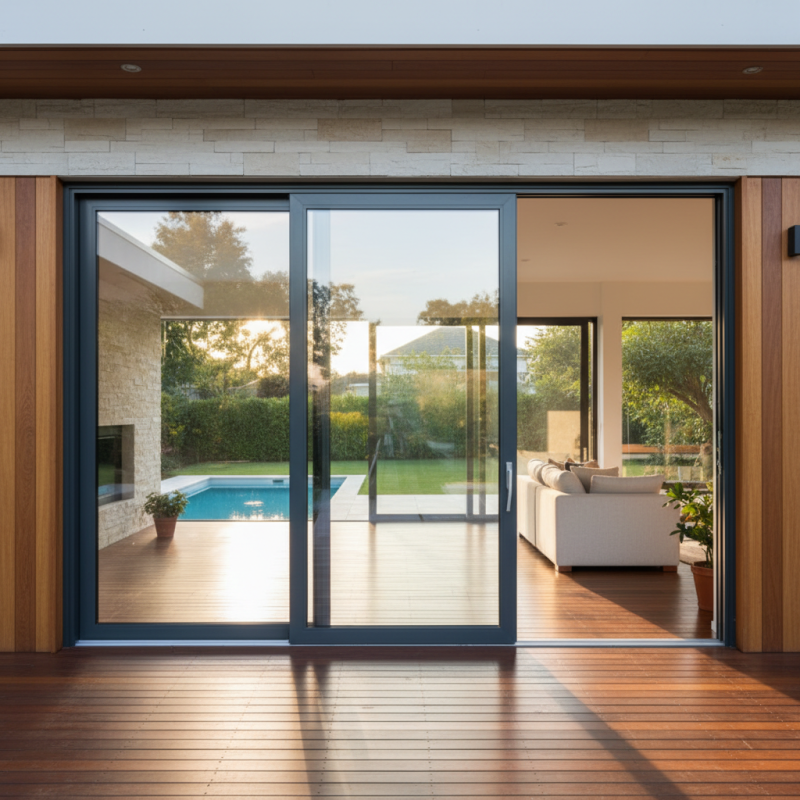
When selecting the best aluminum sliding door for your home, understanding your space and taking precise measurements are paramount for ensuring a flawless fit. According to industry reports, improperly sized doors can lead to performance issues, affecting insulation and security. A survey by the National Association of Home Builders indicates that nearly 20% of homeowners encounter problems with door installations due to incorrect measurements, which can lead to additional costs and frustration.
To avoid these common pitfalls, first assess the area where the door will be installed. It's crucial to measure the height and width of the opening accurately, accounting for any irregularities in the wall or floor alignment. Additionally, consider the overall design of the room and how the sliding door will interact with existing fixtures. As per the American Architectural Manufacturers Association, the perfect installation requires taking into account not only the frame size but also the clearance needed for smooth operation and optimal ventilation. Thus, precise measurements are essential for achieving both aesthetic appeal and functional integrity.
Evaluating Durability: Material Quality and Construction Standards
When evaluating the durability of aluminum sliding doors, the quality of the material and construction standards are paramount. According to a report from the American Architectural Manufacturers Association (AAMA), aluminum used in high-performance windows and doors should meet specific quality standards that ensure resistance against corrosion and environmental wear. The utilization of high-grade aluminum alloys, specifically 6063 and 6061, enhances the strength and lifespan of these doors, making them an ideal choice for enduring outdoor conditions.
Furthermore, construction standards play a crucial role in the overall durability of sliding doors. The National Fenestration Rating Council (NFRC) emphasizes the importance of proper installation and sealing. Windows and doors that meet ENERGY STAR® guidelines report a significant reduction in energy loss, illustrating an added benefit of using well-constructed aluminum sliding doors. Tests show that adequately installed doors can withstand wind pressures of up to 40 psf (pounds per square foot), translating into greater structural integrity and resilience against extreme weather. Investing in premium materials and adhering to established construction practices can dramatically enhance the durability of aluminum sliding doors, ensuring homeowners enjoy both functionality and longevity.
Top 10 Tips for Choosing the Best Aluminum Sliding Door for Your Home - Evaluating Durability: Material Quality and Construction Standards
| Feature |
Description |
Rating (1-5) |
| Material Quality |
High-grade aluminum with corrosion resistance. |
5 |
| Construction Standards |
Adheres to industry standards for strength and stability. |
4 |
| Weather Resistance |
Designed to withstand harsh weather conditions. |
5 |
| Security Features |
Includes secure locking mechanisms. |
4 |
| Energy Efficiency |
Dual-pane glass for improved insulation. |
5 |
| Design Options |
Various styles and colors available. |
3 |
| Ease of Use |
Smooth sliding mechanism for effortless operation. |
5 |
| Maintenance |
Low maintenance requirements due to durable materials. |
4 |
| Warranty |
Comprehensive warranty covering material defects. |
5 |
| Cost |
Competitive pricing based on features and durability. |
3 |
Choosing the Right Style: Design Options for Aesthetic Appeal
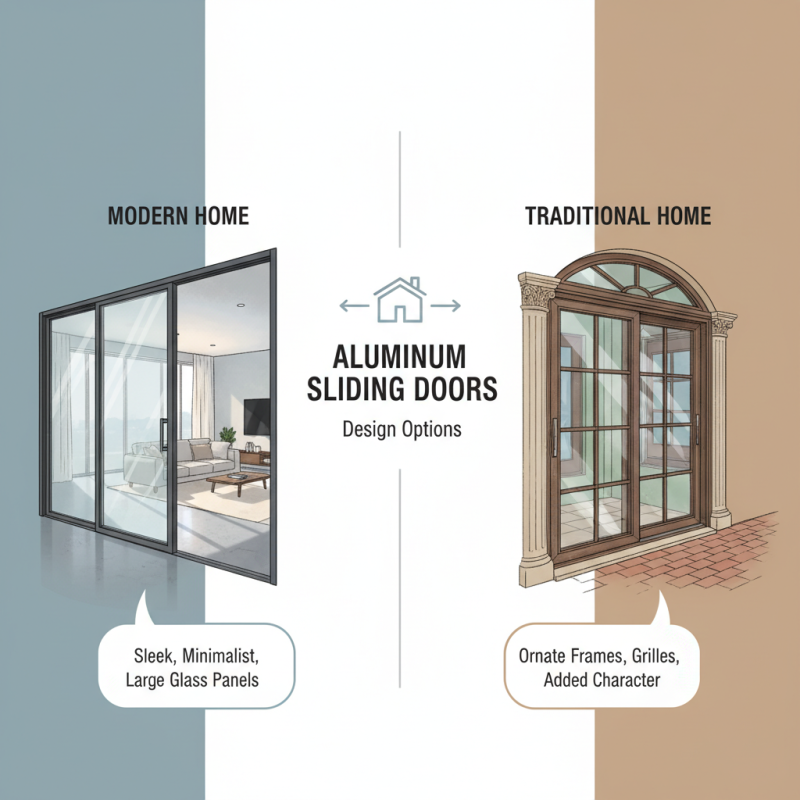
When selecting the perfect aluminum sliding door for your home, the design options you choose will significantly impact both functionality and aesthetic appeal. One approach is to consider the architectural style of your house. Modern homes often benefit from sleek, minimalist designs with large glass panels that offer expansive views and ample natural light. In contrast, more traditional homes may find a charming balance with ornate frames or grilles that add character while complementing the existing decor.
Moreover, color and finish play a crucial role in the overall look of your sliding door. Aluminum doors come in a variety of hues, from classic whites and blacks to vibrant, custom colors that can make a striking statement. Anodized finishes not only enhance durability but also provide an elegant visual that can harmonize with other elements of your exterior, such as trim and railings. Additionally, incorporating decorative elements like frosted or patterned glass can enhance privacy without sacrificing light, ensuring that your entrance remains both stylish and functional.
Energy Efficiency: Insulation and Weather Resistance Features
When selecting an aluminum sliding door for your home, energy efficiency should be a primary concern. An effective insulation system plays a crucial role in maintaining indoor temperature, which can significantly reduce heating and cooling costs. Look for doors designed with thermal breaks, which help minimize heat transfer, ensuring a comfortable living environment regardless of external weather conditions. High-quality weather seals are also essential as they prevent drafts and water infiltration, enhancing overall energy performance.
In addition to insulation, consider the weather resistance features of the door. This includes the ability to withstand extreme weather conditions, such as heavy rain, snow, or intense sunlight. Doors that come with robust, durable frames and advanced glazing options not only safeguard your home from the elements but also contribute to long-term energy savings. By prioritizing these characteristics, you ensure that your aluminum sliding door is not only functional but also a significant enhancement to your home's energy efficiency.
Energy Efficiency Features in Aluminum Sliding Doors
Budget Considerations: Cost vs. Quality for Long-Term Value
When choosing aluminum sliding doors for your home, one of the most crucial aspects to consider is the balance between
cost and quality. Budget constraints often lead homeowners to opt for cheaper options, but this can result in higher long-term expenses due to frequent maintenance or
replacements.
Investing in high-quality aluminum doors may have a higher upfront cost, but their durability and energy efficiency can lead to
considerable savings over time. A well-made door can withstand environmental stressors and reduce energy bills, making it a wise investment in the long run.
It's also essential to assess the material quality and construction features when weighing cost. Look for doors that offer
strong insulation properties and resistance to corrosion, as these factors can significantly impact the door's
lifespan and performance. While it may be tempting to select the least expensive option to save money, focusing on the overall
value—considering both initial costs and future savings—will lead you to make a more informed decision.
Quality materials combined with efficient design often translate to lower maintenance needs, making them more
cost-effective over their lifetime.





 Sliding Door
 Folding Window
 Skylight
 Casement Window
 Sliding Window
 System Window
 Tilt and Turn Window
 Sun Room