What is an Interior Sliding Door and How Does It Work?
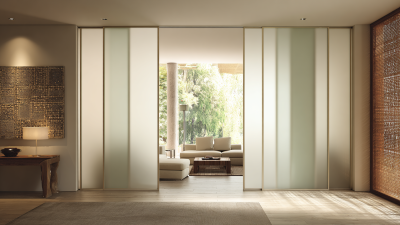
Interior Sliding Doors have become a popular choice in modern home design. They offer a blend of functionality and aesthetic appeal. According to expert Emily Thompson, "Interior Sliding Doors create a seamless flow between spaces while saving precious floor area." This statement reflects the innovative qualities of these doors.
The mechanism behind Interior Sliding Doors is simple yet effective. They glide along a track, providing easy access between rooms. Unlike traditional doors, they don’t swing open. This design saves space and creates an open feeling in any area. However, the installation process can be somewhat challenging for homeowners.
Choosing the right type of Interior Sliding Door involves careful consideration. Materials, styles, and track systems all play a crucial role in the final look and functionality. There is often a learning curve in maintaining these doors, especially with tracks that can gather dust. It's essential to recognize that while these doors enhance elegance, they also require thoughtful upkeep and occasional adjustments.
What is an Interior Sliding Door?
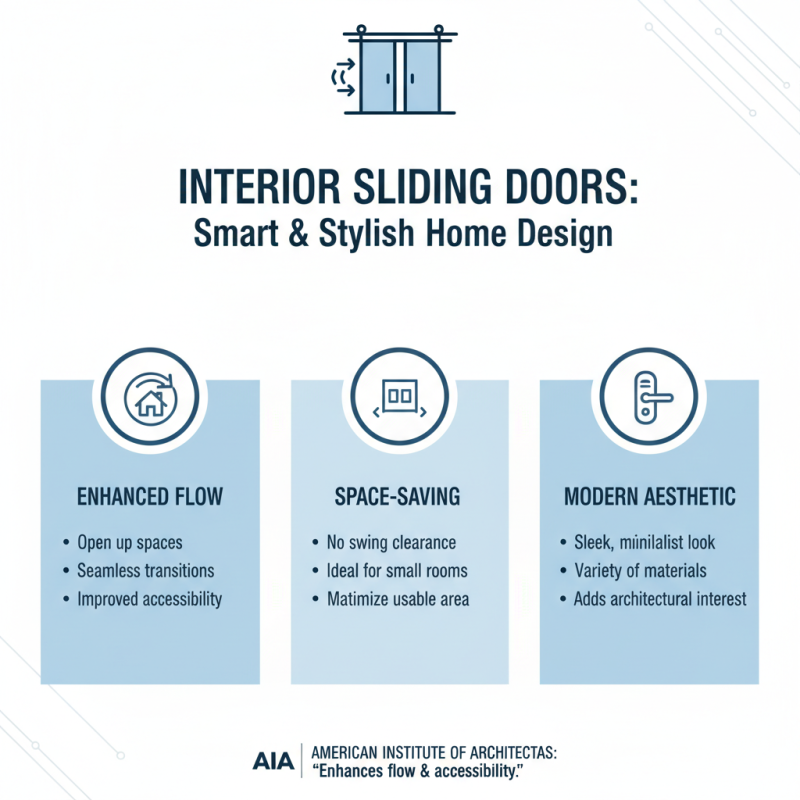
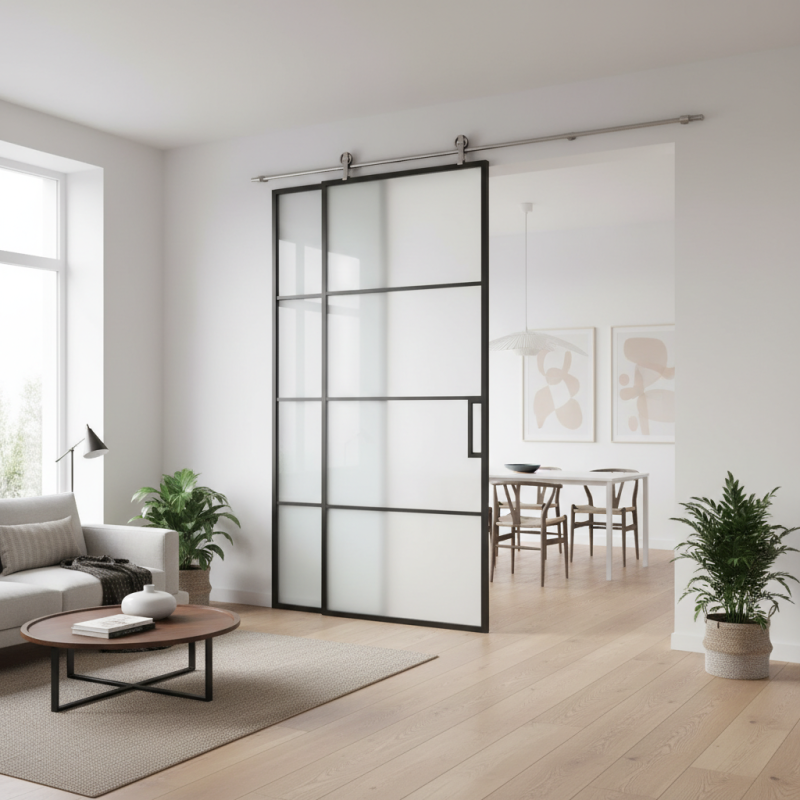
An interior sliding door is a stylish and functional choice for home design. These doors operate on a track system that allows them to glide smoothly open and closed. They save space, which makes them perfect for smaller rooms. According to the American Institute of Architects, sliding doors can enhance the flow and accessibility of a space, making it feel larger and more open.
These doors come in various materials, including wood, glass, and metal. A 2021 report from Statista highlighted a growing trend in modern homes favoring eco-friendly materials for sliding doors. Homeowners increasingly prefer options that complement sustainable living. Interior sliding doors can also provide a sound barrier, which is beneficial in busy households.
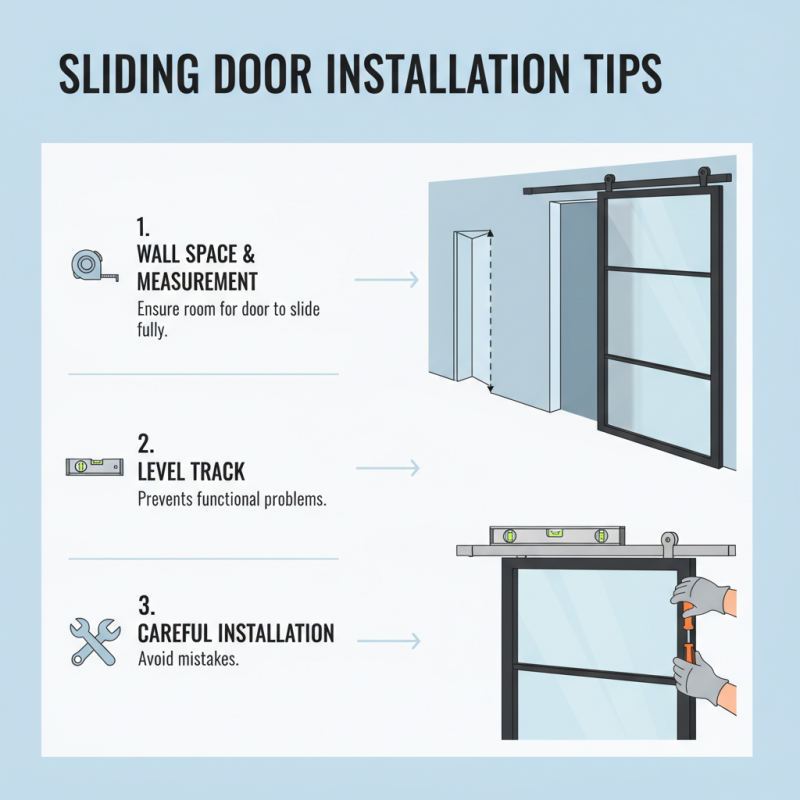
However, attention to detail is vital. Tracks can become obstructed and might require periodic cleaning. If not fitted correctly, these doors may not slide smoothly. This can lead to frustration over time. Despite these potential drawbacks, they remain a popular design element due to their aesthetic appeal and practicality.
Types of Interior Sliding Doors and Their Features
Interior sliding doors are versatile and stylish solutions for homes. They can save space and add elegance to any room. There are several types of interior sliding doors, each with unique features.
One popular option is the bypass door. This type consists of two or more panels that slide past one another. It works well in closets or narrow hallways. Another choice is the pocket door. It disappears into the wall when opened. This clever design creates a seamless transition between spaces. However, installation can be tricky. It requires planning and precision.
Barn doors have gained popularity in recent years. Their rustic charm adds character to modern homes. They slide on an exposed track, serving as a centerpiece. However, they may not provide the best sound insulation. Additionally, the sliding mechanism can be loud at times. Careful consideration of these aspects is essential for choosing the right door. Each style has its benefits and drawbacks, leading to endless possibilities for home design.
Types of Interior Sliding Doors and Their Popularity
How Interior Sliding Doors Operate Mechanically
Interior sliding doors are popular for their space-saving features. They operate through a mechanical system that employs tracks and rollers. These doors glide smoothly, allowing for easy access between rooms. Many homes now prefer this style. A recent industry report noted that nearly 30% of new builds incorporate sliding doors.
The mechanics behind these doors involve a few key components. A top track guides the door’s movement, while rollers attached to the door allow it to slide. This design minimizes friction, enhancing durability. However, the system can suffer from alignment issues. Regular maintenance is essential to ensure optimal functionality. A survey revealed that about 15% of users report problems related to track misalignment.
Some homeowners notice that sliding doors can be less soundproof than traditional hinged options. This may not be ideal for all settings. Additionally, space constraints in smaller homes can limit door size options. These considerations underline the need for careful planning. Ultimately, understanding the mechanics can help users make informed choices. It’s important to weigh both benefits and limitations.
Advantages of Using Interior Sliding Doors in Homes
Interior sliding doors have gained popularity in modern homes due to their numerous advantages. These doors save space, an essential feature for smaller rooms. The design allows them to slide along a track instead of taking up valuable floor space when opened. According to a report by the National Kitchen & Bath Association, sliding doors can increase utility in tight areas, making homes feel more spacious.
Another benefit is aesthetic appeal. Interior sliding doors come in various materials and styles, from wood to glass. A well-chosen sliding door can enhance the overall interior design. Studies show that homes with stylish doors can see a rise in value of up to 10%. This might be significant if you plan to sell your house.
Tip: When choosing a sliding door, consider your home’s style and functionality. Opt for a design that complements your decor. Keep in mind potential installation challenges. Not all sliding doors fit every space perfectly. Measure carefully before making a decision. Be ready to adjust your plan if needed; sometimes what looks good might not fit.
What is an Interior Sliding Door and How Does It Work? - Advantages of Using Interior Sliding Doors in Homes
| Dimension |
Value |
| Material |
Wood, Glass, Metal |
| Average Width |
24-36 inches |
| Average Height |
80 inches |
| Installation Type |
Wall-mounted, Pocket |
| Space Saving |
Yes |
| Soundproofing |
Moderate |
| Aesthetic Appeal |
High |
| Cost Range |
$200 - $2,000 |
| DIY Installation Option |
Available |





 Sliding Door
 Folding Window
 Skylight
 Casement Window
 Sliding Window
 System Window
 Tilt and Turn Window
 Sun Room