What is a Frameless Sliding Door? Benefits, Types, and Installation Guide
In recent years, the popularity of Frameless Sliding Doors has surged. These doors not only enhance the beauty of spaces, but they also maximize natural light. According to a recent industry report, the global sliding door market is projected to grow by 8% annually through 2025. This growth highlights the increasing demand for innovative architectural features.
Frameless Sliding Doors offer a sleek design that blends seamlessly with modern interiors. They eliminate visual distractions caused by traditional frames. This design choice creates an airy feeling in both residential and commercial spaces. However, installation can present challenges due to their unique mechanism and heavy weight. It is crucial to engage skilled professionals for proper fitting.
Many homeowners appreciate the aesthetic appeal of Frameless Sliding Doors, yet some may overlook potential maintenance issues. They require regular cleaning to maintain clarity and ensure smooth operation. The initial investment may be higher than standard doors, but the long-term benefits often justify the cost. As trends evolve, understanding how to choose and install these doors becomes essential.

What is a Frameless Sliding Door?
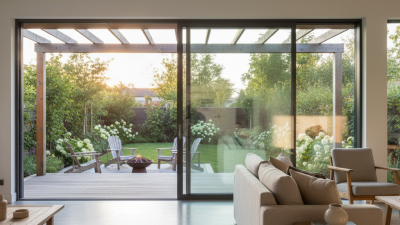
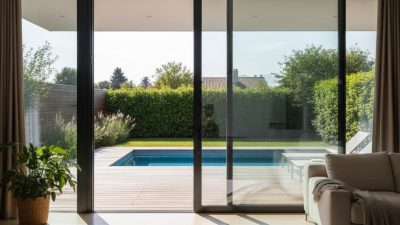
Frameless sliding doors offer a sleek and modern alternative to traditional doors. Made with large panes of glass, they allow natural light to flood the space. The absence of frames creates a seamless transition between indoor and outdoor areas. This design not only enhances visibility but also provides an illusion of more space.
One benefit of frameless sliding doors is their aesthetic appeal. They blend effortlessly with various architectural styles. However, they can be difficult to install correctly. Some may find the installation process challenging, especially if they lack experience. Ensuring proper sealing is crucial; otherwise, drafts may occur. Overlooking this can lead to wasted energy and discomfort.
Frameless sliding doors come in multiple types, including single-track and multi-track designs. Each serves different spatial needs. Single-track is often simpler and requires less space, while multi-track allows for larger openings. Choosing the right type depends on the specific requirements of the project. Storing the necessary materials and tools in advance can help streamline the process.
Key Benefits of Frameless Sliding Doors
Frameless sliding doors offer a sleek, modern look that enhances any space. One significant benefit is their ability to create an illusion of more space. According to a report by the National Association of Home Builders, homeowners increasingly value open floor plans. Frameless doors contribute to this trend, allowing natural light to flow freely between rooms.
Flexibility is another advantage of these doors. They can be used in various settings, from residential homes to commercial spaces. A survey by the American Institute of Architects indicated that 65% of architects prefer sliding doors for seamless transitions between indoors and outdoors. This preference highlights their practicality and aesthetic appeal.
Installation of frameless sliding doors can be complex. It requires precise measurements to ensure a proper fit. Many DIY enthusiasts attempt this task, but expert installation is often recommended. A misalignment can lead to problems like drafts or water leaks. Homeowners should weigh their skills against potential pitfalls before deciding. Additionally, routine maintenance can be a burden. Keeping the tracks clean is essential for smooth operation.
What is a Frameless Sliding Door? Benefits, Types, and Installation Guide - Key Benefits of Frameless Sliding Doors
| Feature |
Description |
Benefits |
Installation Tips |
| Design |
A sleek, modern design without a visible frame. |
Offers unobstructed views and a contemporary aesthetic. |
Ensure precise measurements and level installation. |
| Materials |
Typically made of tempered glass with minimal metal hardware. |
Durable, easy to clean, and maintains a stylish look. |
Use silicone sealant for weatherproofing. |
| Space Saving |
Slides open rather than swinging outwards. |
Ideal for small areas where space is limited. |
Install on a track system for smooth operation. |
| Energy Efficiency |
Can include double-glazed or low-E glass options. |
Helps insulate your home, reducing energy costs. |
Select energy-efficient glass for optimal performance. |
| Safety Features |
May include shatter-resistant glass and secure locking systems. |
Increases safety against break-ins and accidents. |
Install locks at accessible heights for ease of use. |
Different Types of Frameless Sliding Doors
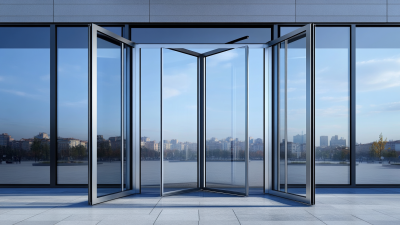
Frameless sliding doors come in various styles, each with unique characteristics. One common type is the traditional frameless glass door. These doors create a seamless look. They provide an unobstructed view and allow natural light to flood your space. The minimalist design enhances modern interiors but requires careful handling due to their delicate nature.
Another option is the bi-fold frameless sliding door. This design folds back completely, creating a wide opening. It's perfect for connecting indoor and outdoor spaces. However, installations can be tricky. They require precise measurements for a good seal. A poorly installed door may not slide smoothly, which can be frustrating.
Corner frameless sliding doors are also gaining popularity. These doors meet at a corner, maximizing the panoramic view. They can transform a room, making it feel larger. Yet, the corner installation often involves more complicated hardware. It can be a challenge to get the mechanics right. Each type of frameless sliding door adds beauty, but careful consideration is needed for both aesthetics and functionality.
Materials Used in Frameless Sliding Doors
Frameless sliding doors are increasingly popular in modern architecture. They offer an elegant, seamless transition between indoor and outdoor spaces. The materials used in these doors significantly impact their durability and aesthetics. Common choices include glass, aluminum, and tempered materials.
Glass is the primary material used in frameless sliding doors. It provides a clear view and brings natural light indoors. According to industry reports, tempered glass is preferred for its strength and safety features. This type of glass can withstand extreme weather and temperature changes. Aluminum frames can enhance stability while remaining lightweight, thus facilitating smoother operation.
However, material choices come with drawbacks. For instance, glass can be heavy and may require additional structural support. Regular maintenance is necessary to keep the sliding mechanism and seals in optimal condition. The initial investment can be higher compared to traditional doors, which may deter some homeowners. Balancing aesthetics with practicality requires careful consideration. Choosing the right materials is crucial for longevity and performance.
Benefits of Frameless Sliding Doors
Step-by-Step Installation Guide for Frameless Sliding Doors
Installing a frameless sliding door can enhance your space dramatically. This guide will provide clear steps to help you through the process. Start by measuring your door frame carefully. Ensure your measurements are precise. A mistake here can lead to fitting issues. Gather all necessary tools, like a level, drill, and screws. Missing tools can create delays.
Next, prepare the track system. Fix the top track securely to the wall. Make sure it’s level; otherwise, the door won’t glide smoothly. Attach the bottom guide to the floor, aligning it with the track above. This part is critical. If it's not aligned properly, you may face challenges later. Take your time and double-check each step.
Finally, hang the door on the tracks. Slide it gently to ensure proper movement. It may take some adjusting. A bit of trial and error is normal. Once it glides easily, tighten all screws and double-check the alignment. Be patient, as this project can be intricate. Celebrate the small victories along the way, but remember, practice leads to perfection.





 Sliding Door
 Folding Window
 Skylight
 Casement Window
 Sliding Window
 System Window
 Tilt and Turn Window
 Sun Room