How to Fix a Sliding Back Door That Won't Close?
Are you struggling with a sliding back door that won't close? You're not alone. Many homeowners face this issue at some point. Renowned home improvement expert, John Smith, once said, "A sliding back door can often become a frustrating problem, but small fixes can lead to big improvements."
In this guide, we will explore practical solutions to fix your sliding back door. First, it's important to identify common issues. Misalignments or obstructions can prevent the door from closing properly. Sometimes, dirt and debris accumulate in the track. Removing these can make a difference.
Additionally, consider the condition of the rollers. Worn-out rollers can lead to behavior that’s hard to predict. They may require replacement, and that can feel overwhelming. However, the process is more straightforward than expected. As we delve into this topic, remember that even small adjustments can yield better results, making your home life a bit easier.
Identify Common Causes of a Sliding Back Door That Won't Close
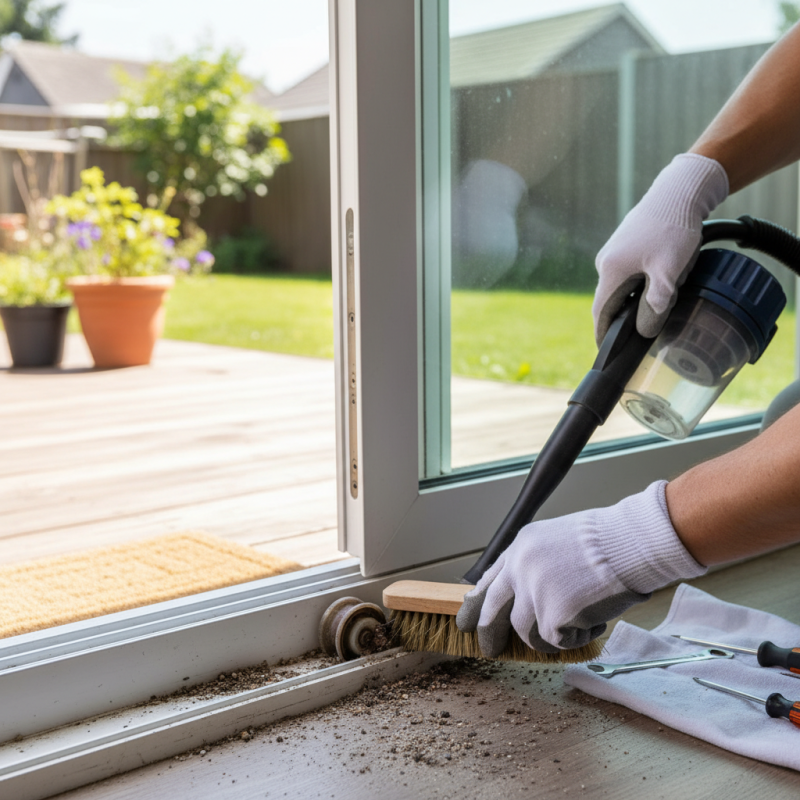
Having trouble with your sliding back door? Many homeowners face this issue. One common cause is dirt and debris in the track. Dust and grime accumulate over time, obstructing the door’s movement. Regular cleaning can help keep the track clear. Use a vacuum or a damp cloth for the best results.
Another factor could be misalignment. If the door was recently installed or if it’s been jostled, it may no longer fit properly. Check the rollers and make sure they’re not damaged. Adjusting the screws on the rollers can sometimes solve the issue. You may find that the door is slightly tilted, which affects how it closes.
Finally, consider the weather stripping. Worn or damaged seals can prevent the door from closing fully. Replace any frayed strips to enhance the door's performance. Evaluate these elements closely, and you may find the solution to your sliding door frustrations. Remember, keeping up with regular maintenance can prevent many of these issues from arising in the first place.
Evaluate the Door Track for Dirt, Debris, or Damage
When a sliding back door won’t close, the first thing to check is the door track. Often, dirt and debris collect in the track, causing the door to jam. A quick visual inspection can reveal dust buildup or leaves that might be obstructing movement. Simply wiping the track with a damp cloth can make a big difference. Remember, small particles can create large problems.
If the track looks clear, inspect it for any damage. Look closely for dents or warps. Even minor deformities can affect how your door glides. A crooked track sends your door off balance. You might need to realign or even replace a portion of the track. This process requires patience. It might take a few tries to get everything back in order.
Don’t overlook the rollers as well. They should spin freely and not feel stuck. Sometimes they need a little lubrication to work smoothly. However, avoid overdoing it; too much can attract more dirt. Maintaining your sliding back door track is an ongoing task. Regular checks can save you time and frustration in the long run. Consider making it part of your seasonal home maintenance routine.
How to Fix a Sliding Back Door That Won't Close
Adjust the Sliding Door Rollers for Proper Alignment
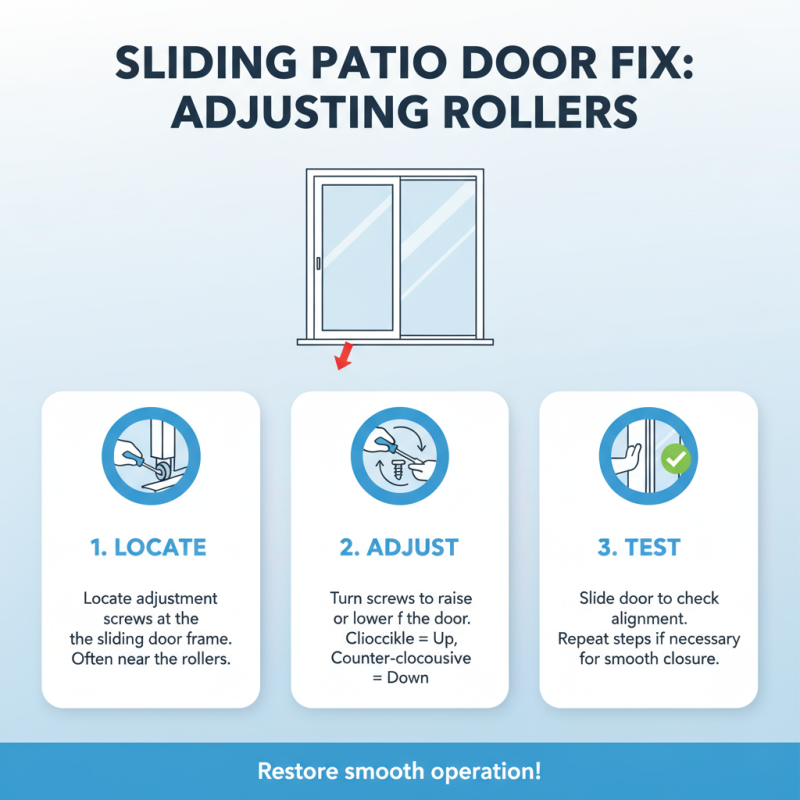
If your sliding back door won’t close properly, adjusting the rollers is a great place to start. These small components can easily become misaligned due to wear and tear. When the rollers are not adjusted correctly, the door may stick or fail to close completely.
Begin by locating the roller adjustment screws. You can typically find them at the bottom of the door frame. Use a screwdriver to make slight adjustments. Turn the screws clockwise to raise the door and counterclockwise to lower it. Make small adjustments, as over-adjusting can lead to new alignment issues.
Tips: Check the track for dirt or debris. Clean it regularly to prevent further complications. Monitor the door's movement after each adjustment. If it still doesn't close smoothly, you may need to reevaluate the alignment of the door itself. Sometimes, factors like humidity can affect the door's fit, leading to misalignment.
Don’t forget to inspect the rollers for any damage. Worn rollers can cause uneven closing, and replacing them might be necessary. Remember, persistent problems often require troubleshooting rather than quick fixes. Be patient and take your time to ensure your door closes perfectly!
Check and Replace Weatherstripping if Necessary
Weatherstripping plays a crucial role in sealing your sliding back door. Over time, it can wear out or become damaged. This may cause cold air to leak in or make the door difficult to close. A simple inspection can reveal if the weatherstripping is cracked or torn. If so, it's time to replace it.
To replace the weatherstripping, start by removing the old strip. This can often be done with a flathead screwdriver. Clean the area to ensure a good seal for the new strip. Choose a weatherstripping material that fits your door's needs.
Measure carefully before cutting the new strip to size. Press it firmly into place.
Remember that improper installation can lead to further issues. Gaps may still allow drafts or water to seep in. Take your time and ensure everything fits snugly.
After installation, check regularly for wear and tear. Weatherstripping is often neglected, but maintaining it can save energy and improve comfort in your home. Regular checks can help prevent future problems.
Test the Door Mechanism After Repairs and Adjustments
After making repairs on your sliding back door, it's crucial to test the door mechanism thoroughly. A simple push should show how well it glides along the track. If it still feels stiff or gets stuck, adjustments may be necessary. Check for debris or dirt that could hinder movement. Sometimes, the track itself needs cleaning or realignment to ensure the door operates smoothly.
Listening is key during the testing process. The door should slide quietly, not scrape or bang. If you hear unusual noises, don't ignore them. They often signal deeper issues. Check the rollers for wear and tear. They may need lubrication or replacement. Examine the door frame too; sometimes, a warped frame can cause alignment problems.
Once everything seems functional, do a final test by closing the door several times. Ensure it latches securely each time. If the door still struggles, revisit your adjustments. It's easy to miss small details that could make a big difference. Patience is important in this process, as achieving the perfect alignment takes time and care.





 Sliding Door
 Folding Window
 Skylight
 Casement Window
 Sliding Window
 System Window
 Tilt and Turn Window
 Sun Room