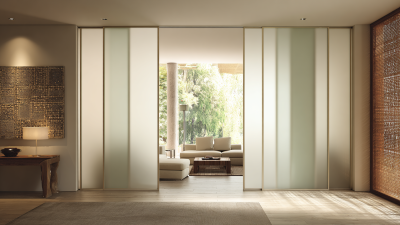
How to Choose the Perfect Swing Door for Your Home or Business
Choosing the right swing door for your home or business is a crucial decision that can significantly impact the functionality and aesthetics of your space. According to the 2023 Architectural Design Trends report, swing doors account for approximately 60% of all commercial entrances, underlining their popularity and importance in both residential and commercial settings. Their versatility allows them to blend seamlessly with various architectural styles while providing ease of access and optimal traffic flow.
Moreover, a study by the International Door Association (IDA) reveals that the right choice of swing door can enhance energy efficiency by reducing drafts and controlling temperature better than other door types. With advancements in materials and technology, modern swing doors are now available in a wide array of styles, finishes, and installation options, making it easier than ever to find the perfect match for any decor. As we look ahead to 2025, understanding the key factors in selecting a swing door—such as size, material, and design—becomes imperative for homeowners and business proprietors alike. This guide will provide insights into making an informed decision that aligns with both aesthetic preferences and practical needs.
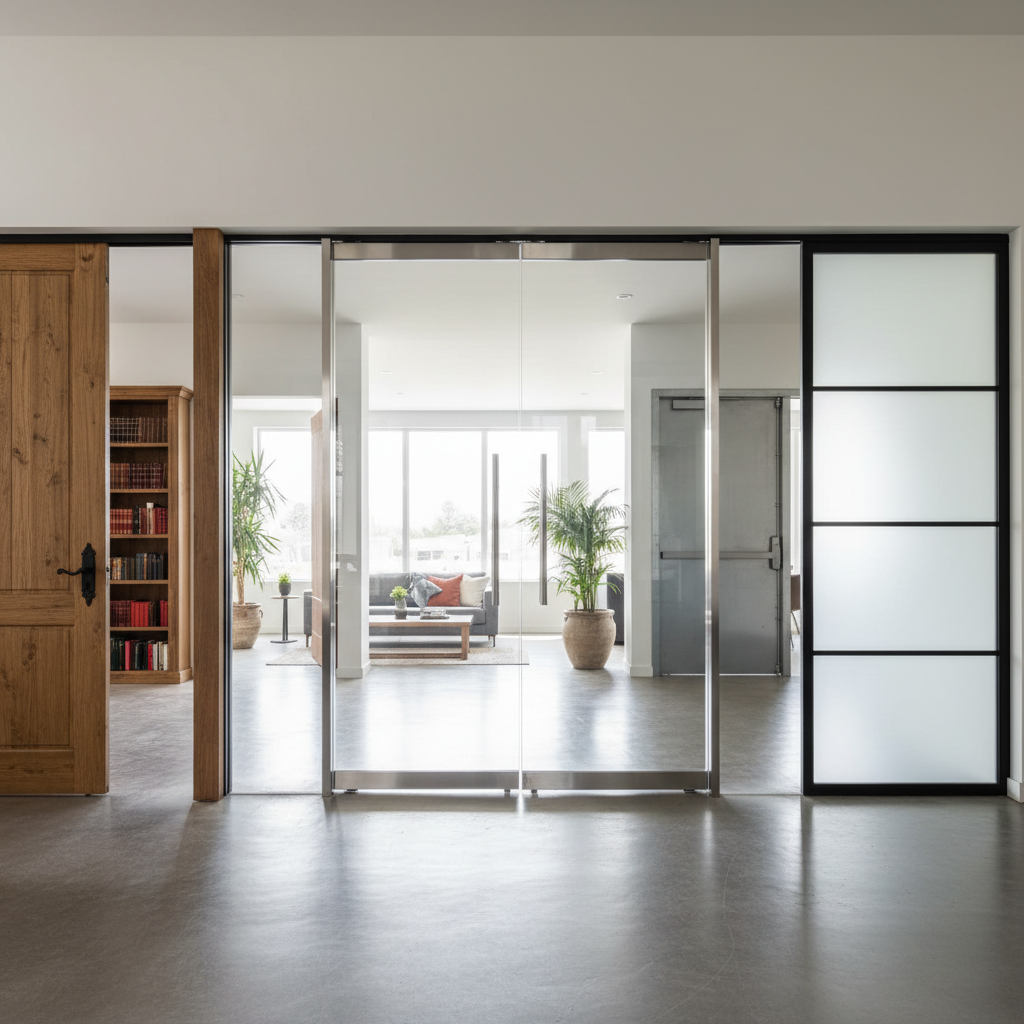
Understanding the Different Types of Swing Doors: Material and Design Choices
When choosing the perfect swing door for your home or business, understanding the various material and design options is critical. Swing doors are not merely functional; they serve as a focal point in the design of a space. From traditional wooden doors to sleek modern designs, the choice of material can significantly influence the ambiance of your environment. As the demand for aesthetic appeal increases, many consumers are turning to doors that feature rich textures and natural materials, aligning with current trends in home design.
In addition to aesthetics, safety and security should be paramount when selecting a swing door. Options like safety grill gates for main doors not only provide added protection but also enhance the overall look of your entryway. Different designs cater to diverse tastes and architectural styles, allowing homeowners to blend security with style effectively. Considering the growing market for interior swing doors, which is projected to reach around USD 1.5 billion by 2034, it’s clear that selecting the right door is an investment that can elevate both the function and elegance of any space.
Evaluating Door Size and Space Requirements for Optimal Functionality
When selecting the perfect swing door for your home or business, understanding the space available is crucial for ensuring optimal functionality. Start by measuring the area where the door will be installed, taking into account both the width and height of the doorway. Consider any adjacent furniture, fixtures, or wall space that may interfere with the door's swing. A door that is too large can hinder movement and accessibility, while one that is too small may not provide the desired entrance feel.
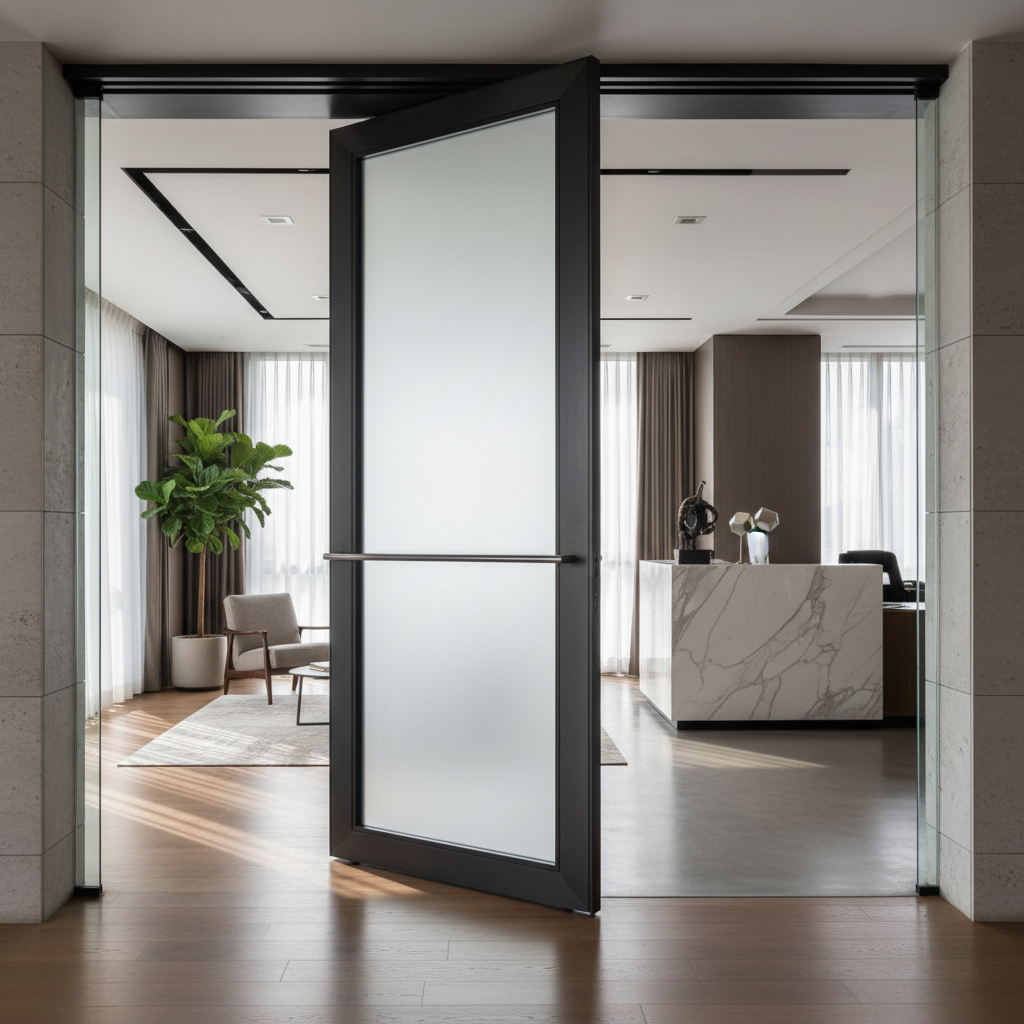
In addition to size, pay attention to the swing direction of the door. Determine whether it will open inward or outward, as this decision impacts the flow of foot traffic and the overall layout of the space. For commercial settings, ensuring that the door swings in a way that accommodates high volumes of customers is vital. Moreover, it is essential to consider any accessibility requirements, such as ensuring enough clearance for individuals using mobility aids. By carefully evaluating these space requirements, you can select a swing door that enhances both the aesthetic and functional aspects of the environment.
Assessing Energy Efficiency Ratings and Insulation Properties for Swing Doors
When selecting a swing door for your home or business, it's crucial to consider energy efficiency ratings and insulation properties. Swing doors can significantly impact your building's overall energy performance, especially if they are frequently used. Look for doors with high energy efficiency ratings, which indicate better thermal performance. These ratings often come from industry standards, such as the Energy Star label, making it easier to identify doors that will help reduce heating and cooling costs.
Additionally, insulation properties play a vital role in maintaining indoor comfort. A well-insulated swing door can minimize drafts, reducing the reliance on heating and cooling systems. Look for doors that feature solid core construction or those made from energy-efficient materials like fiberglass or insulated steel. These options not only enhance energy efficiency but also provide durability and low maintenance, making them an excellent choice for both residential and commercial applications. By prioritizing energy efficiency and insulation, you can select a swing door that aligns with your sustainability goals and contributes to a comfortable environment.
How to Choose the Perfect Swing Door for Your Home or Business - Assessing Energy Efficiency Ratings and Insulation Properties for Swing Doors
| Door Type |
Energy Efficiency Rating |
Insulation Properties |
Material |
Cost Range |
| Fiberglass Swing Door |
High (R-5.0) |
Excellent (Low thermal conductivity) |
Fiberglass |
$1,000 - $1,500 |
| Steel Swing Door |
Moderate (R-2.5) |
Good (Some insulation) |
Steel |
$800 - $1,200 |
| Wood Swing Door |
Variable (R-2.0 to R-4.0) |
Fair (Depends on thickness) |
Wood |
$700 - $1,500 |
| Aluminum Swing Door |
Moderate (R-2.0) |
Good (Thermal breaks available) |
Aluminum |
$900 - $1,300 |
| Vinyl Swing Door |
High (R-4.0) |
Excellent (Insulated core) |
Vinyl |
$800 - $1,200 |
Exploring Security Features in Swing Doors: Locks, Materials, and Technologies
When selecting the ideal swing door for residential or commercial purposes, the emphasis on
security features cannot be overstated.
Over 60% of break-ins involve forced entry
through doors, underscoring the need for robust locking mechanisms. Modern swing doors often
incorporate multi-point locking systems, which engage
at several points along the frame, significantly increasing resistance to unauthorized access.
According to a recent report by the Security Industry Association (SIA),
the adoption of advanced locking technologies, such as smart locks with biometric access, has
risen 25% in the last two years, reflecting
a growing consumer demand for enhanced security.

Materials also play a crucial role in the door’s overall security performance.
Steel and fiberglass doors, for instance,
are recognized for their durability and resistance to impact, making them preferred choices for
high-security areas. A study published by the National Institute of Standards and Technology (NIST)
highlights that swing doors made from reinforced materials can deter break-ins by up to
75%. Furthermore, incorporating security features
like anti-drill plates and tamper-proof hinges
can elevate protection levels. As technology evolves, integrating surveillance capabilities
directly into the swing door system can provide an additional layer of security, ensuring that both
homes and businesses stay safeguarded against potential threats.
Calculating Costs and Maintenance Considerations for Long-Term Investment
When considering a swing door for your home or business, understanding the costs involved and potential maintenance is crucial for making a long-term investment. According to a 2022 report by the Door and Hardware Institute, the average cost of installing a commercial swing door ranges from $1,500 to $3,500, depending on the materials and type of automation required. Residential swing doors, on the other hand, can typically cost between $800 and $2,500. While the upfront costs might seem significant, investing in high-quality materials such as fiberglass or steel can lead to considerable savings in maintenance over time.
Maintenance considerations also play a pivotal role in the total cost of ownership. A survey from the American Institute of Architects highlighted that regular maintenance on swing doors—such as lubrication of hinges and checking the alignment—can reduce the likelihood of costly repairs by up to 60%. Moreover, doors with a well-defined weather-stripping can improve energy efficiency by decreasing heating and cooling costs. When factoring in the long-term benefits and energy savings, the initial investment in a robust swing door may yield substantial financial rewards in the future.
Cost Analysis of Different Swing Door Materials





 Sliding Door
 Folding Window
 Skylight
 Casement Window
 Sliding Window
 System Window
 Tilt and Turn Window
 Sun Room