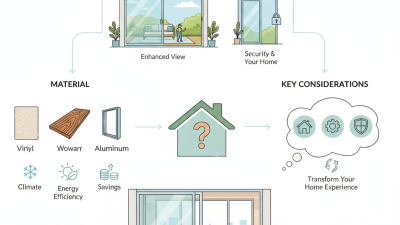
How to Choose the Best Sliding Back Door for Your Home?
Choosing the best sliding back door for your home is a crucial decision. It impacts both aesthetics and functionality. According to the National Association of Home Builders, more than 60% of homeowners consider sliding doors essential for indoor-outdoor living spaces. These doors can enhance your home's natural light and accessibility.
However, not all sliding back doors are created equal. The materials, insulation, and security features vary significantly. The American Architectural Manufacturers Association reports that energy-efficient sliding doors can save homeowners up to 15% on heating and cooling costs. Thus, carefully assessing these options is vital for long-term satisfaction.
Navigating through the choices can be overwhelming. Many homeowners overlook critical aspects like durability or ease of maintenance. A sliding back door is an investment. Reflection on personal needs and styles can lead to a more informed decision that benefits your living space significantly.
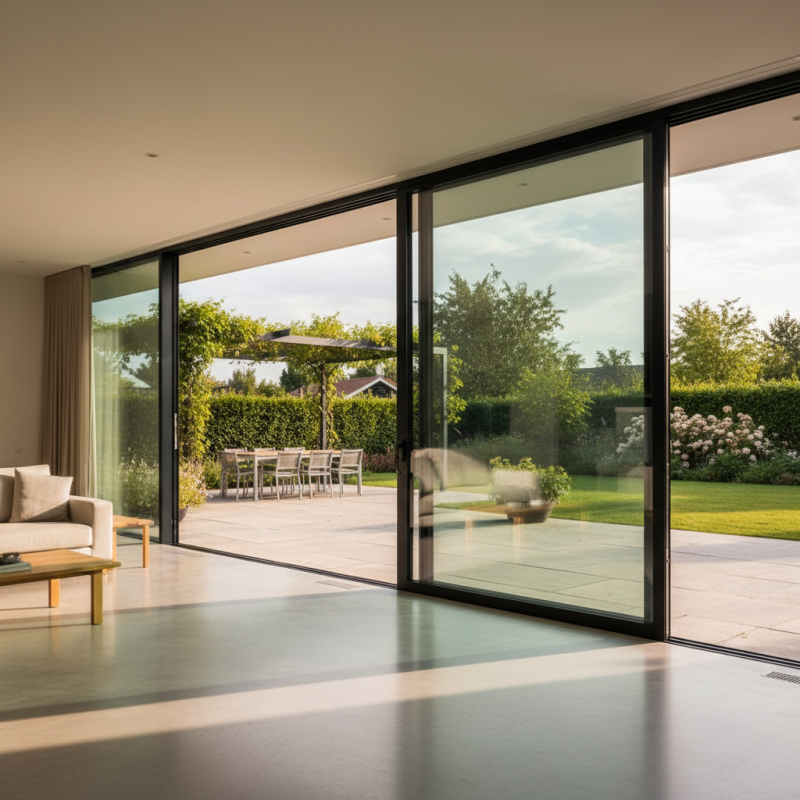
Factors to Consider When Choosing a Sliding Back Door
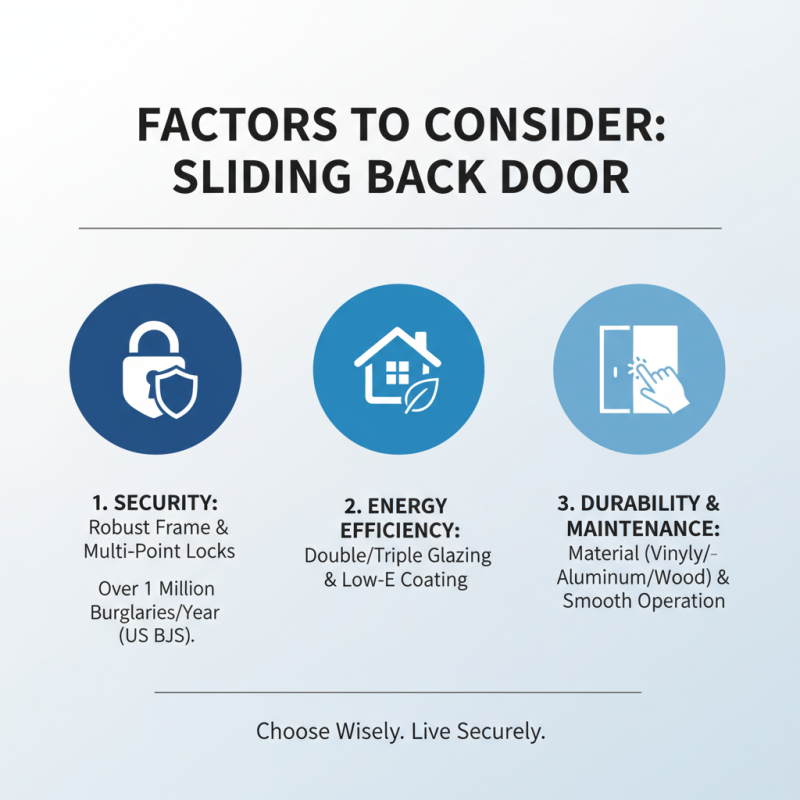
Choosing a sliding back door involves multiple critical factors. Security is paramount, especially in residential areas. According to a report by the Bureau of Justice Statistics, over one million burglaries occur each year in the U.S. Ensuring your door has a sturdy frame and high-quality locking mechanisms is essential.
Energy efficiency is another crucial aspect. A study from the Department of Energy indicates that sliding doors can account for about 25% of heating and cooling costs. Look for doors with energy-efficient glazing to reduce your utility bills. Additionally, options with low-E (low emissivity) glass can help maintain indoor temperature and provide UV protection.
**Tip**: Consider door materials. Vinyl, wood, and fiberglass each have their pros and cons. Vinyl offers durability, while wood provides aesthetic appeal but requires maintenance.
The size of the opening can also determine the best choice. Measure accurately before shopping to avoid costly mistakes. Alterations can be expensive and time-consuming.
**Tip**: Always check manufacturer warranties. A reliable warranty reflects a commitment to quality and offers peace of mind for homeowners. Your sliding door is not just an entry point; it's part of your home's overall security and energy profile.
Types of Sliding Back Doors and Their Features
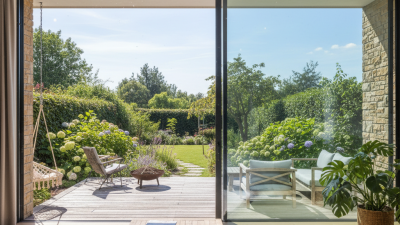
When choosing a sliding back door, consider the variety of types available and their distinct features. Sliding glass doors are popular for their expansive views and natural light. They often come in two or three-panel designs, offering flexibility in size and installation. Vinyl sliding doors provide durability and require less maintenance, making them a solid choice for busy households.
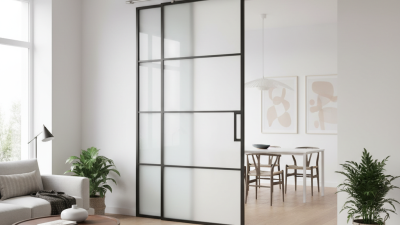
Another option is the pocket door, which slides into the wall. This design saves space and can enhance a home's aesthetic. However, pocket doors may require more installation work, which can be a drawback. French sliding doors combine traditional style with modern functionality. Their dual operation allows for easy access while providing elegance.
When choosing the right door, evaluate your needs and preferences. Look for energy-efficient models that may save on heating and cooling costs. Consider the level of security different designs offer, especially if you have young children or pets.
Tips: Pay attention to the ease of operation. A heavy door can be challenging to use. Ensure it glides smoothly along the track. Don’t overlook the importance of a good warranty. A longer warranty often indicates higher quality and reliability. Make sure to ask about installation support. Proper installation can make a significant difference in performance and longevity.
Materials Used in Sliding Back Door Construction
When selecting a sliding back door, material choice plays a crucial role in both functionality and aesthetics. Common materials include wood, aluminum, fiberglass, and vinyl. Each has its advantages and limitations. Wood offers timeless beauty but requires regular maintenance to prevent rot. Aluminum is durable and resistant to corrosion but can conduct heat, affecting energy efficiency.
Fiberglass is a strong, low-maintenance option that can mimic the look of wood. However, not all fiberglass doors provide the same insulation properties. Vinyl is versatile and energy-efficient, yet it may not have the same lifespan as other materials. Consider your climate and desired style when making your selection.
It’s essential to reflect on what matters most. Will you prioritize maintenance, energy efficiency, or appearance? Sometimes, the perfect balance is elusive. Each choice has trade-offs, and understanding them helps in making a more informed decision. Whether it's the warmth of wood or the sleekness of fiberglass, each material will influence your living space.
How to Choose the Best Sliding Back Door for Your Home? - Materials Used in Sliding Back Door Construction
| Material |
Durability |
Maintenance |
Energy Efficiency |
Cost |
| Vinyl |
High |
Low |
Good |
$ |
| Aluminum |
Very High |
Medium |
Moderate |
$$ |
| Wood |
High |
High |
Good |
$$$ |
| Fiberglass |
Very High |
Low |
Excellent |
$$$$ |
Energy Efficiency and Insulation for Sliding Doors
When selecting a sliding back door for your home, energy efficiency and insulation are crucial factors. High-quality sliding doors can significantly reduce energy loss. They trap air between two panes of glass, which helps maintain your home's temperature. A well-insulated door can lower heating and cooling costs, making your home more comfortable.
The materials used in sliding doors play a vital role in their effectiveness. Frame materials such as vinyl or fiberglass often provide better insulation compared to aluminum frames. Look for doors with double or triple-pane glass to maximize energy efficiency. While these options may be more expensive upfront, they can lead to long-term savings.
Consider the importance of proper installation as well. Even the best sliding doors won't perform well if they are not installed correctly. Gaps can form, leading to drafts and energy loss. It's common to overlook this aspect, but taking time to ensure a perfect fit is essential. Reflect on your specific needs and climate, as these also influence your choice. Choose wisely, and you’ll create a more energy-efficient home.
Installation and Maintenance Tips for Sliding Back Doors
When it comes to sliding back doors, proper installation is key. Ensure the track is level for smooth operation. Uneven tracks can lead to sticking doors. Make sure to use quality materials. This not only enhances durability but also improves security. Consider the weight of the door when selecting installation components. Using the wrong hardware can cause frustration.
Maintenance is crucial for the longevity of your sliding doors. Regularly clean the tracks to prevent dirt and debris from accumulating. Lubricate the rollers at least twice a year. This simple step keeps your door gliding smoothly. If you notice any unusual sounds, investigate immediately. Ignoring small issues can lead to bigger problems down the line.
In colder climates, check for drafts or gaps. Weather stripping can help combat this. However, it might require replacement over time. Monitor the door's alignment. If it begins to stick or doesn’t close properly, it's worth addressing sooner rather than later. Small adjustments can often solve these issues effectively.
How to Choose the Best Sliding Back Door for Your Home?
This chart illustrates the importance ratings of various factors to consider when choosing a sliding back door for your home. Each aspect plays a vital role in ensuring you select the best option suited for your needs.





 Sliding Door
 Folding Window
 Skylight
 Casement Window
 Sliding Window
 System Window
 Tilt and Turn Window
 Sun Room