How to Choose the Best Sliding Patio Door for Your Home?
Choosing the right sliding patio door is crucial for any home. An expert in the field, John Smith, once said, “A good sliding patio door can transform the way you experience your home and outdoors.” It's not only about aesthetics; functionality matters too.
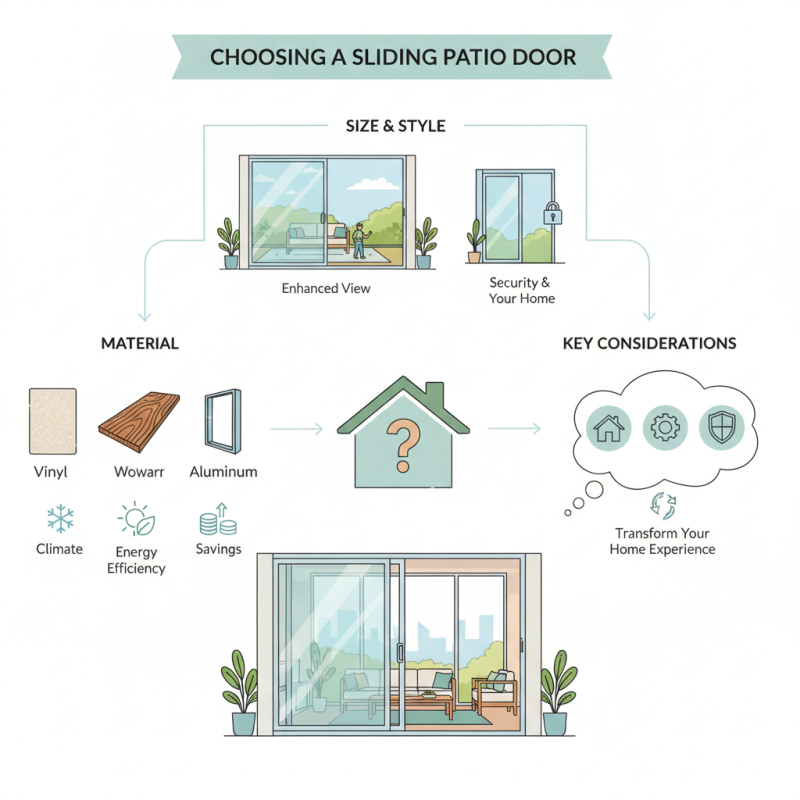
When selecting a sliding patio door, consider the material. Options like vinyl, wood, and aluminum each offer different benefits. Think about your climate and desired energy efficiency. The right choice can save on energy bills while providing durability.
The size and style also play a significant role in your selection. An oversized door might enhance your view but could compromise security and efficiency. Reflect on how the door will complement your space. Each decision impacts the overall feel of your home. A sliding patio door can be a beautiful addition, yet it requires thoughtful consideration.
Factors to Consider When Selecting a Sliding Patio Door
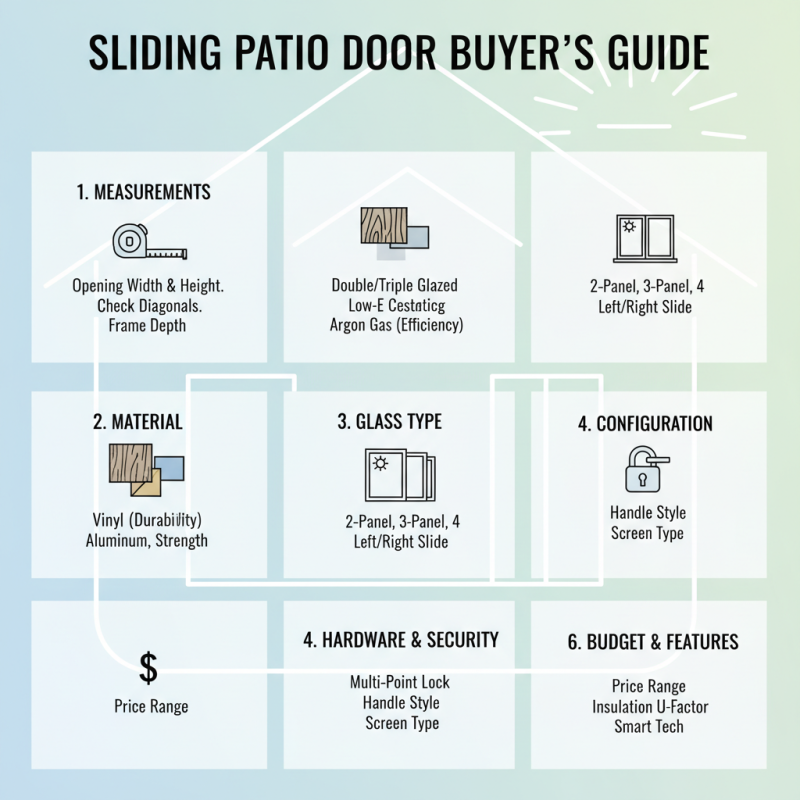
Choosing a sliding patio door involves multiple factors that can affect both aesthetics and functionality. Consider the size of your opening first. Measure carefully to ensure a perfect fit. A door too small can look awkward, while one that’s too big may overpower your space.
Next, think about the material. Options like vinyl, aluminum, and wood each have their merits. Vinyl is low maintenance, while wood offers a classic appeal. However, each comes with potential issues, like warping or fading over time. The choice depends on your climate and personal preference.
Also, evaluate energy efficiency. Look for doors with good insulation to save on heating and cooling. Double or triple-pane glass can minimize energy loss. This is often overlooked but crucial for comfort and cost savings. Lastly, don’t forget about security features. Sliding doors can be vulnerable. Choosing a model with a robust locking system can provide peace of mind.
Types of Sliding Patio Doors: Comparison and Benefits
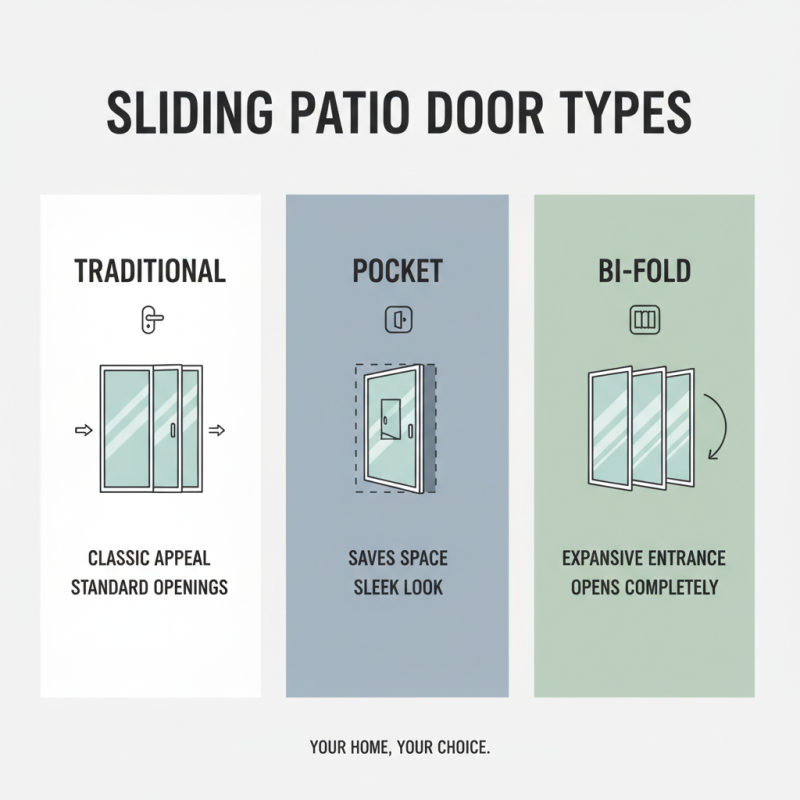
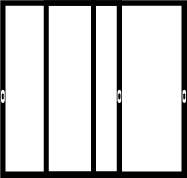
When choosing a sliding patio door, understanding the types available is crucial. There are typically three main types: traditional, pocket, and bi-fold. Traditional sliding doors have a classic appeal and are perfect for standard openings. Pocket doors slide into the wall, saving space and providing a sleek look. Bi-fold doors open up completely, creating an expansive entrance to your outdoor space.
Consider the materials used in each type. Vinyl doors are low maintenance and energy-efficient. Aluminum offers durability and a modern feel. Wooden doors provide warmth but may require more upkeep. Each option has its pros and cons. You will have to weigh things like aesthetics against maintenance needs.
**Tip:** Always measure your space accurately before making a purchase. Incorrect measurements can lead to installation issues.
When deciding, think about the door's operation. How easy is it to open and close? Do you foresee potential obstacles in your path? Reflect on how these choices will affect your daily life. Consider not just style but functionality as well.
Materials Used in Sliding Patio Doors and Their Durability
When choosing sliding patio doors, the materials used play a crucial role in their durability. Common choices include wood, vinyl, aluminum, and fiberglass. Each material has its pros and cons, impacting performance and longevity. For instance, wood offers great insulation but often requires regular maintenance. It can warp or rot if not properly treated.
Vinyl is low-maintenance and resistant to moisture. It can last a long time and comes in various colors. However, it can fade under harsh sunlight. Aluminum is strong and lightweight but may not offer the best insulation. If you live in a colder climate, this could be a concern. Lastly, fiberglass combines durability with energy efficiency, but it can be pricey compared to other options.
Examining the long-term benefits and potential drawbacks of each material is essential. Think about the environmental factors in your area. Will heavy rains or strong winds affect your choice? Keeping these details in mind can lead to a more thoughtful decision. It's important to weigh aesthetics against durability, ensuring functionality matches your lifestyle needs.
Energy Efficiency Ratings and Features to Look For
Choosing a sliding patio door requires attention to energy efficiency. Not all doors meet the same standards. According to the U.S. Department of Energy, energy-efficient doors can reduce heating and cooling costs by up to 30%. A high Energy Star rating indicates better insulation and lower energy bills.
When evaluating features, look for double or triple glazing. This adds layers that trap heat during winter. Low-E coatings minimize UV rays, preventing furniture from fading. The National Fenestration Rating Council provides information on insulation ratings. A good rating indicates effective temperature control, affecting comfort levels in your home.
Many homeowners overlook installation methods. Improper installation can compromise energy efficiency. Drafts can occur even with high-rated doors if they are not fitted correctly. Regular maintenance checks are essential as well. Over time, seals can wear out, reducing the door's efficiency. Being vigilant about these factors can lead to better energy savings in the long run.
How to Choose the Best Sliding Patio Door for Your Home? - Energy Efficiency Ratings and Features to Look For
| Feature |
Rating/Specification |
Description |
| Energy Efficiency |
U-Factor: 0.30 or lower |
Indicates better insulation and lower heat loss. |
| Solar Heat Gain Coefficient (SHGC) |
0.25 - 0.55 |
Measures how much solar heat is admitted through the window. |
| Frame Material |
Vinyl, Wood, Aluminum |
Different materials offer varying durability and insulation. |
| Glass Type |
Double or Triple Glazing |
Multiple layers improve energy efficiency and sound insulation. |
| Low-E Coating |
Yes/No |
Reflects UV rays, keeping interiors cooler in summer. |
| Warranty |
10 - 20 years |
A good warranty indicates company confidence and product durability. |
Installation and Maintenance Tips for Sliding Patio Doors
When considering sliding patio doors, installation and maintenance are key aspects. Proper installation is crucial for long-term performance. According to a recent industry report, improper alignment during installation can lead to air leaks and operational issues. Ensure the track is level and free of debris. Hiring a professional can help, but it often adds to the cost. DIY enthusiasts should follow guidelines closely.
Maintenance is just as important. Regular cleaning of the tracks can prevent dirt buildup. It's recommended to lubricate the rollers every six months to ensure smooth operation. Neglecting these steps can result in difficulty opening the door. A survey revealed that 40% of homeowners faced issues due to lack of maintenance. Checking seals for damage is another essential task. Replacing worn seals can help improve energy efficiency around the home.
Sliding patio doors have many benefits, but they require attention. A common mistake is ignoring weather stripping. This can lead to increased energy bills. It’s normal to feel overwhelmed by these tasks. Investing time in maintenance pays off. Regular care can prevent larger repairs down the line.
Sliding Patio Door Features Comparison





 Sliding Door
 Folding Window
 Skylight
 Casement Window
 Sliding Window
 System Window
 Tilt and Turn Window
 Sun Room